Knifemaking: the things that are ours and the Notre L’affaire

“But then I have always been somewhat of a square peg in a round hole.”

Cressida Cowell- How to Speak Dragonese


When I was five years old I had my first lesson in finding out that the world might not be built for me.  I was not in kindergarten yet because I had told my mother that numbers and letters had looked too hard for me.  Perhaps I really wasn’t ready, or perhaps I was just stubborn, but this would leave me a year older than all my classmates through my entire academic career.  So at five years old I was sitting with all the other five year old preschool kids who, for whatever reason, weren’t quite ready for kindergarten either.  It was around Thanksgiving time and we were making hand turkeys out of construction paper.  You are probably familiar with the process, where you trace your hand and your fingers become the tail feathers and your thumb becomes the head and then you cut the entire thing out and add all the plumage.   I was having an incredibly difficult time with it.  I couldn’t get my scissors to work and I had no idea why.

As it turns out I was, and still am, left-handed.  They had no left-handed scissors, and the poor ladies couldn’t explain why I was the only one who cut with my left hand.  The silver lining was that when I looked at the wall of hand turkeys for the next two weeks before we took them home I knew exactly which one was mine- the sort of mangled looking, Mattisse-inspired one with it’s shredded, soft edges and pastel color themes.  It might not have quite fit in, but that turkey belonged to me.

I think a major source of anxiety today comes from a pressure to fit in.  We are pack animals after all, social creatures, and there is a large degree of comfort and safety that comes with fitting in.  For whatever reason some of us just don’t fit.  Maybe our personal values don’t align with the metrics of what society calls success.  Maybe the things in the world that move us have been wrought and tempered in such a way that makes the mainstream feel incredibly dull and boring.  Maybe we were brought up in a fashion that causes us to question the rules and the people who make them.  Or perhaps our idiosyncrasies and the way we see the world simply makes others in the pack feel uncomfortable. 

Because the reality is that life is uncomfortable and existence is messy, and no amount of corporate team building exercises or ‘life is beautiful’ bumper stickers will change that fact.  The square pegs of the world know this, because things have probably always been uncomfortable.  The beauty of being a square peg that doesn’t fit into the circular opening of life is that you find a way of living that is unique and meaningful to you.  Usually that means crashing through more than a few romantic relationships, getting fired from a few jobs, making a whole lot of mistakes, and generally being a mess for awhile.

When you finally pop out on the other side of all that, you may find that what you’ve become is completely and totally your own, free of mimicry and imitation.   All those things that you’ve become- those belong to you and no one else.

(I taught myself to cut right-handed in elementary school to save myself and my teachers a lot of grief.  I cut better right-handed than I do left-handed.  You have to pick your battles.)

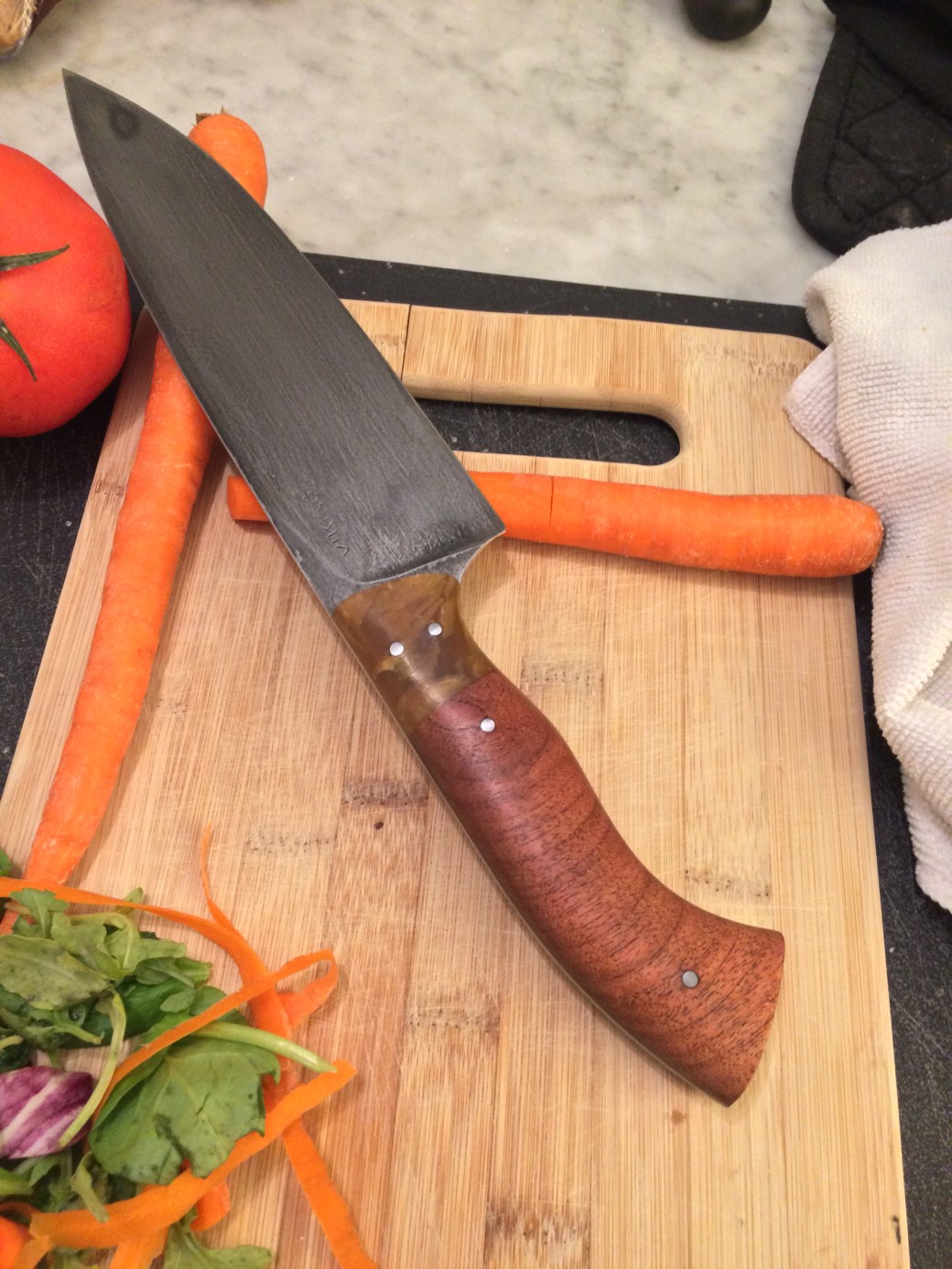
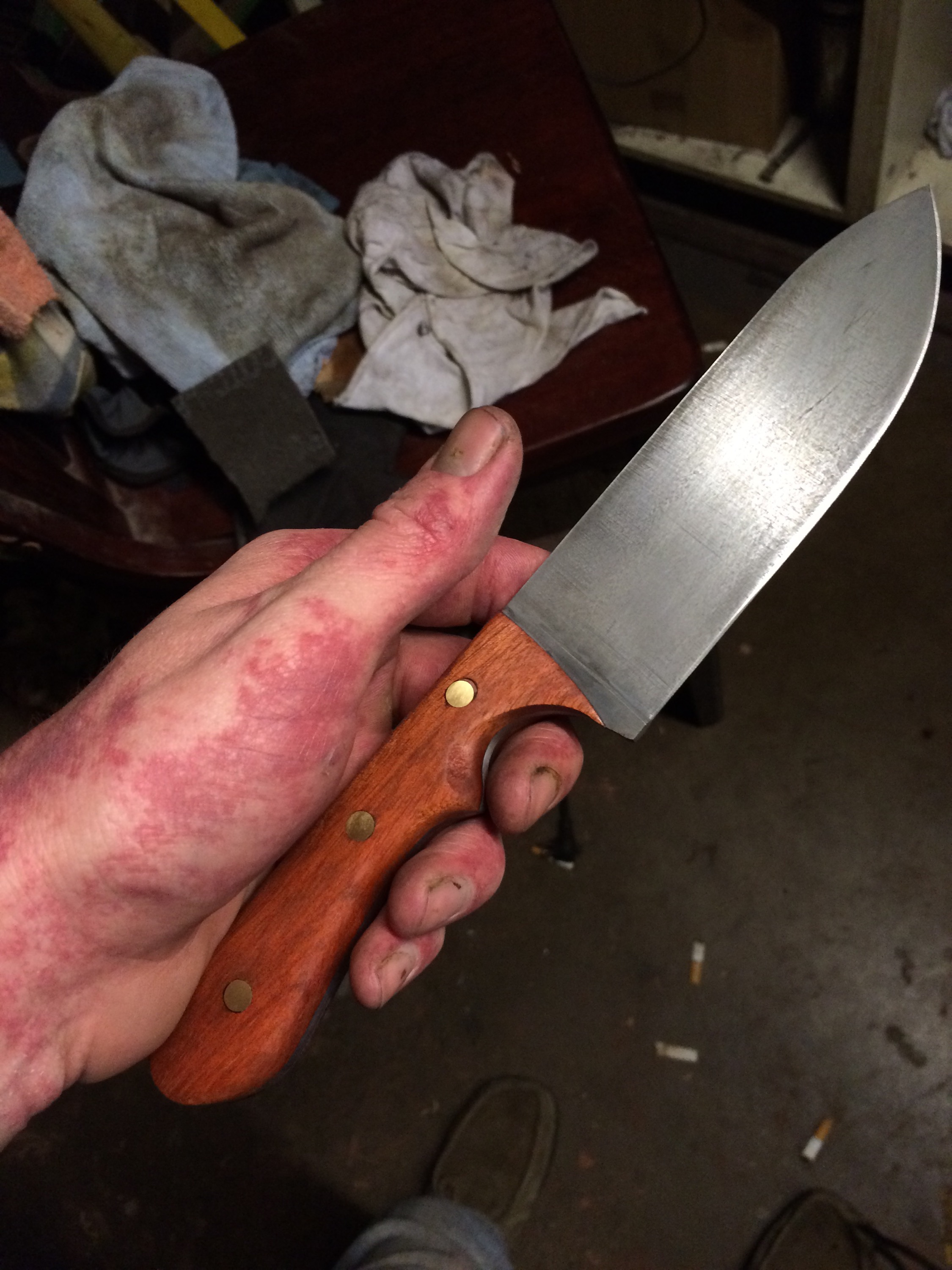
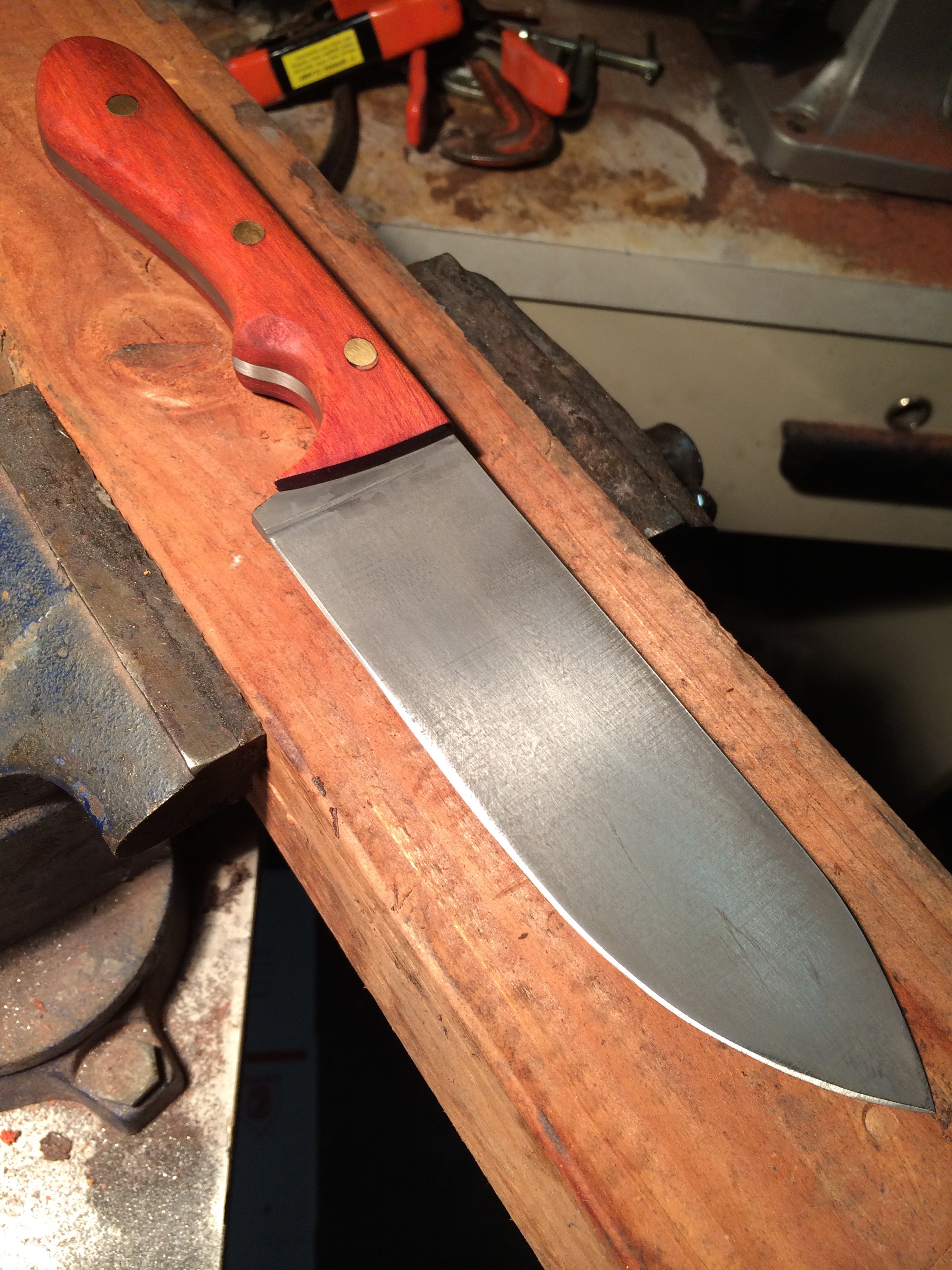
This knife was commissioned for a chef at a local restaurant by his girlfriend.  I love making knives for restaurant people- anyone who winds up in food service is totally a square peg.  In talking to the girlfriend, who works in hospitality, she told me that they were both a little crazy, which is part of what makes everything so interesting.  ‘Notre L’affaire’ roughly means ‘our thing’ in the sense of something intimate and personal, like a slightly rough-around-the-edges turkey made of construction paper hanging on a pre-school bulletin board.  You should always recognize and honor the things that are yours.


An 8″ chef in the German Style:

Hi-carbon American 1095 steel:
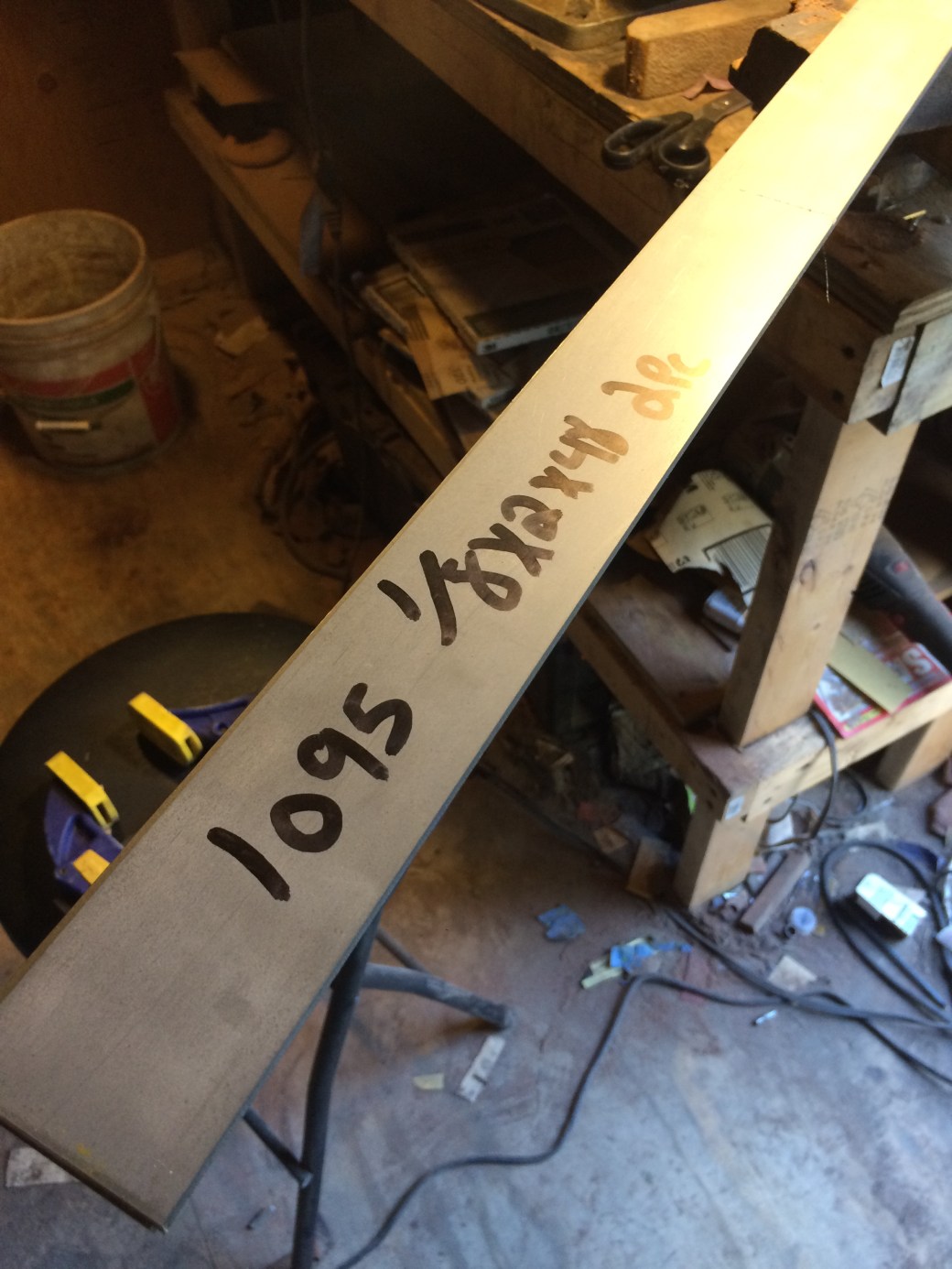
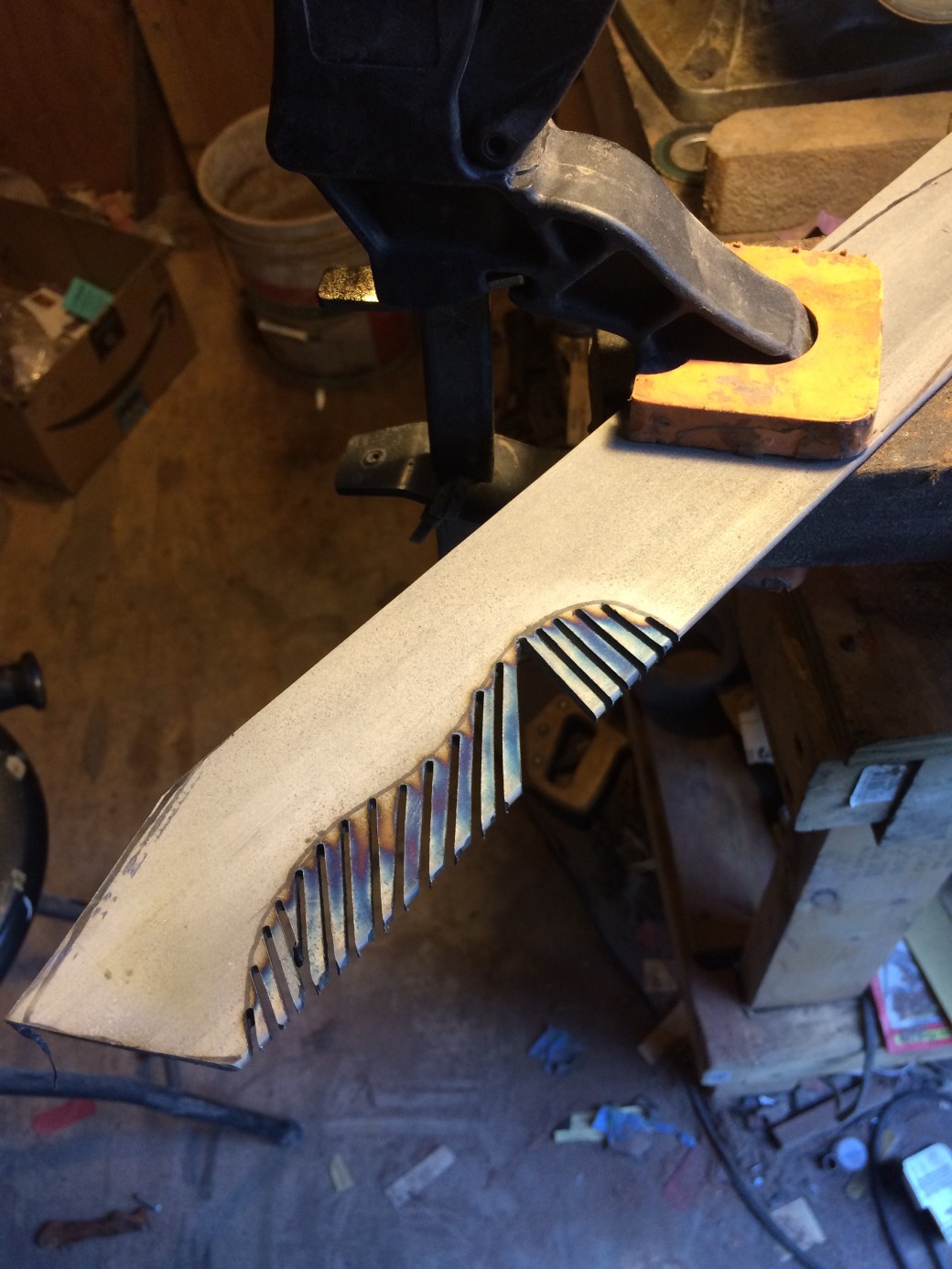
Profiled and drilled:

Into the forge:
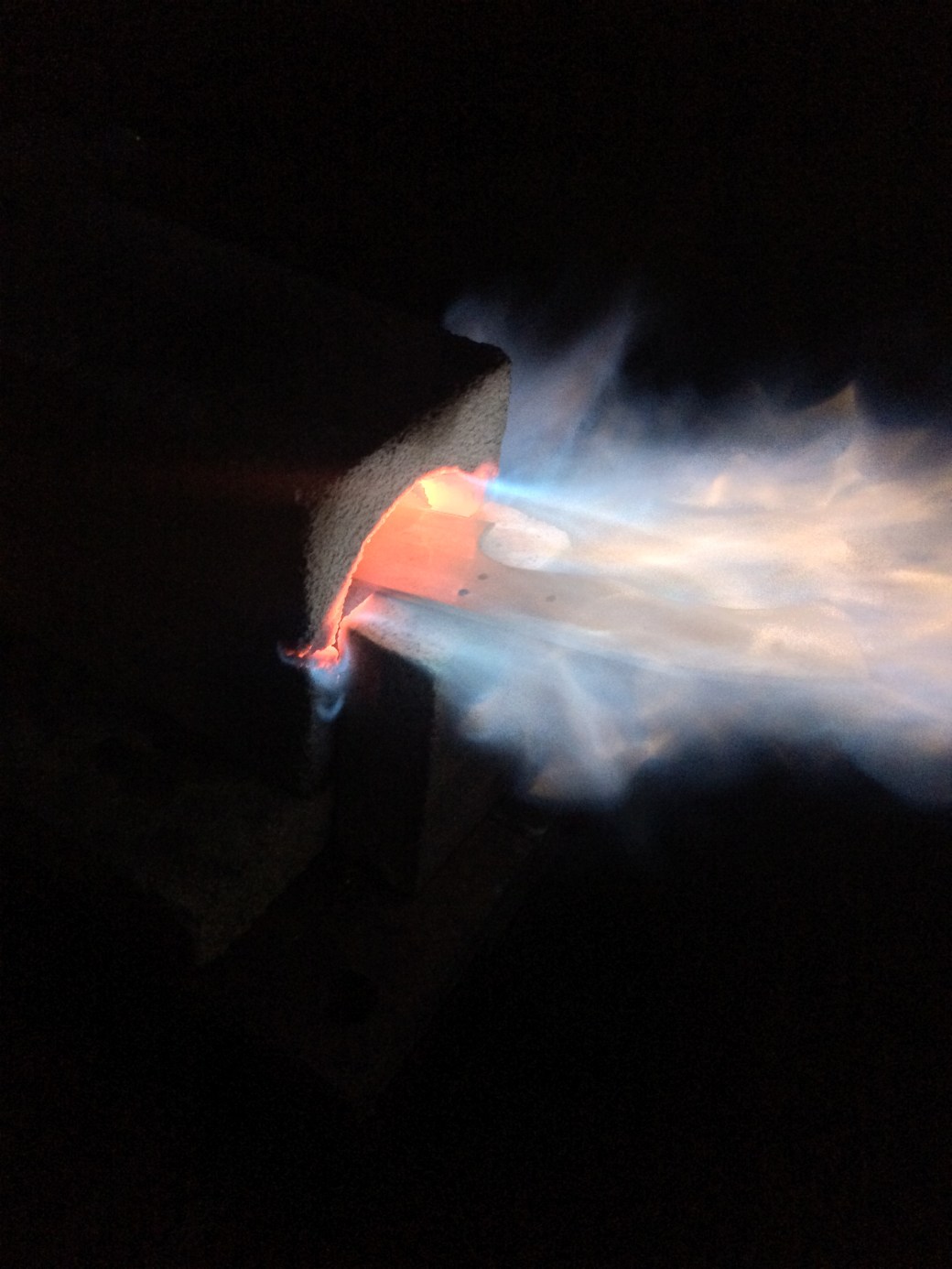
Making sure everything is straight:

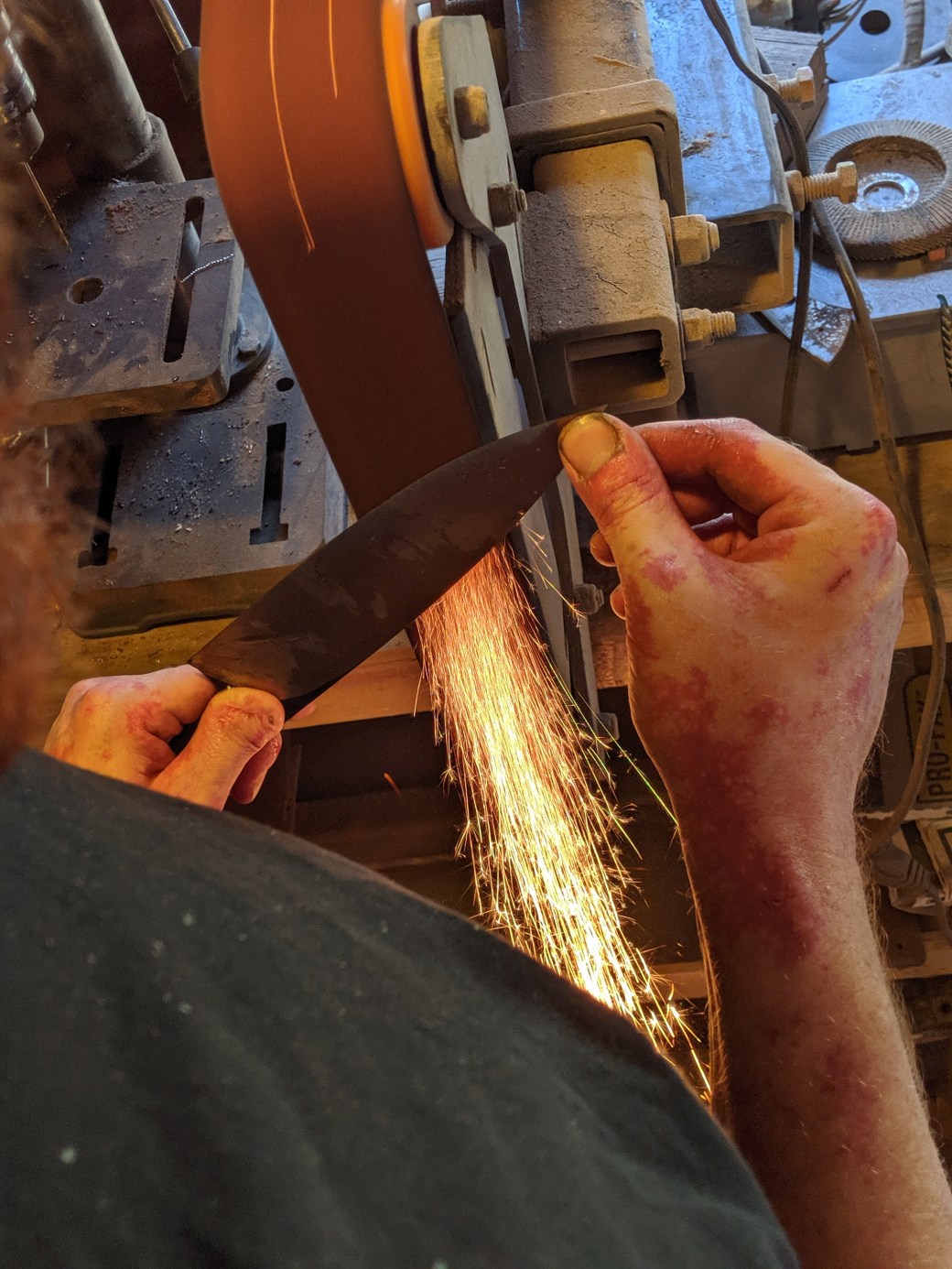
Grinding the bevels:
img_7555

a5882d54-3626-42c7-848a-b3b1a1c3a553

Hand sanding:

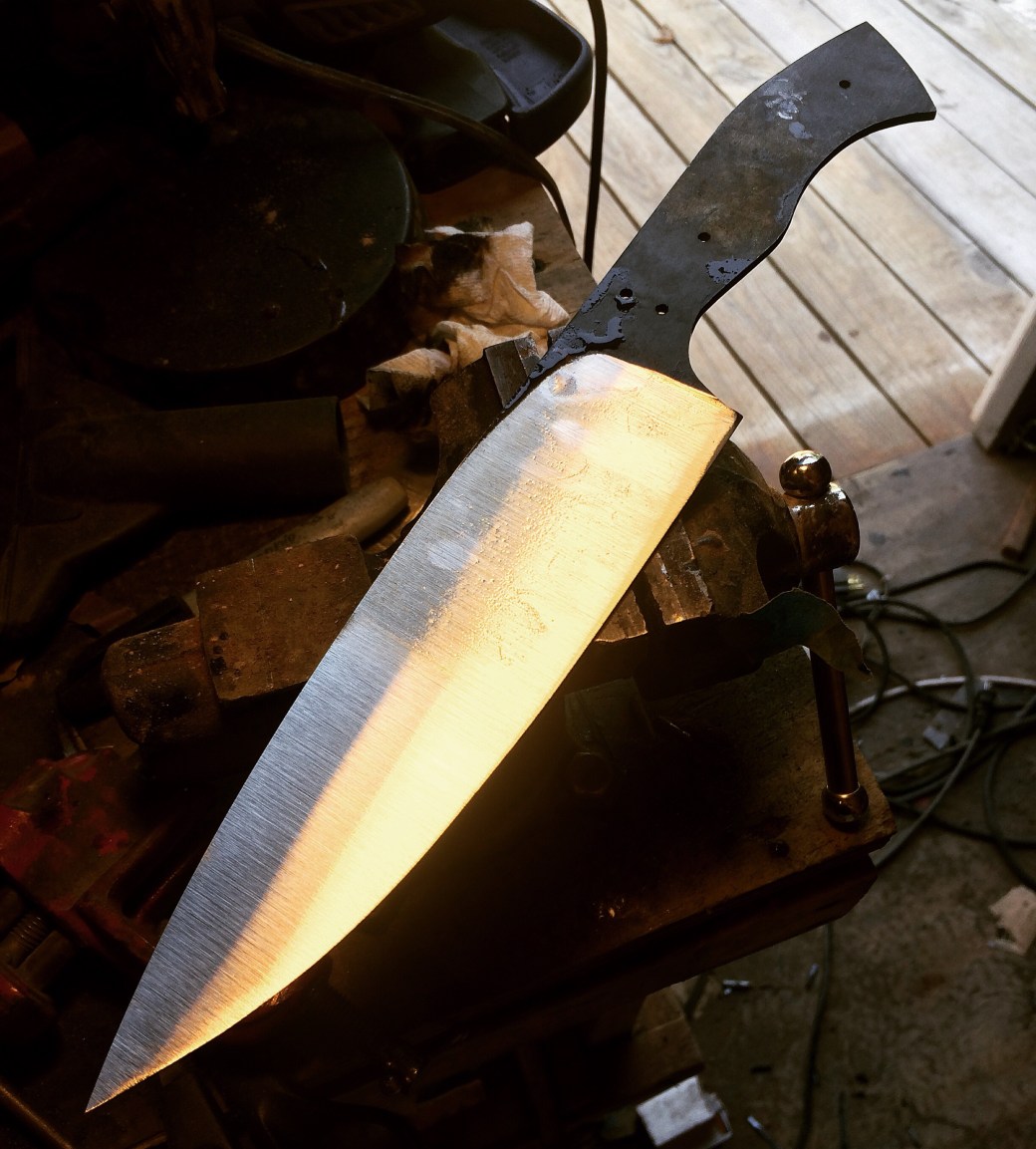
Satin finish:

An acid etch to help with corrosion resistance:

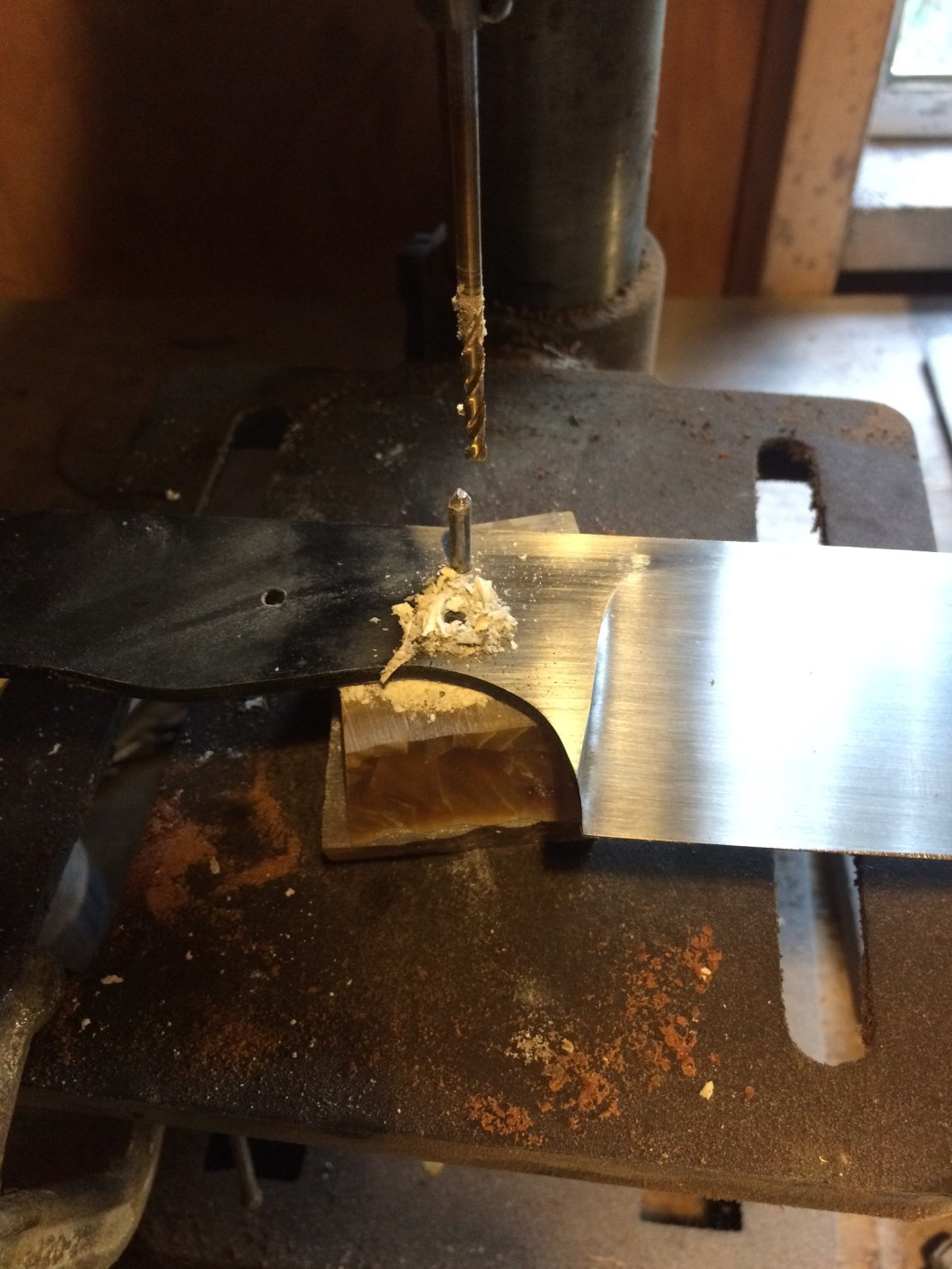
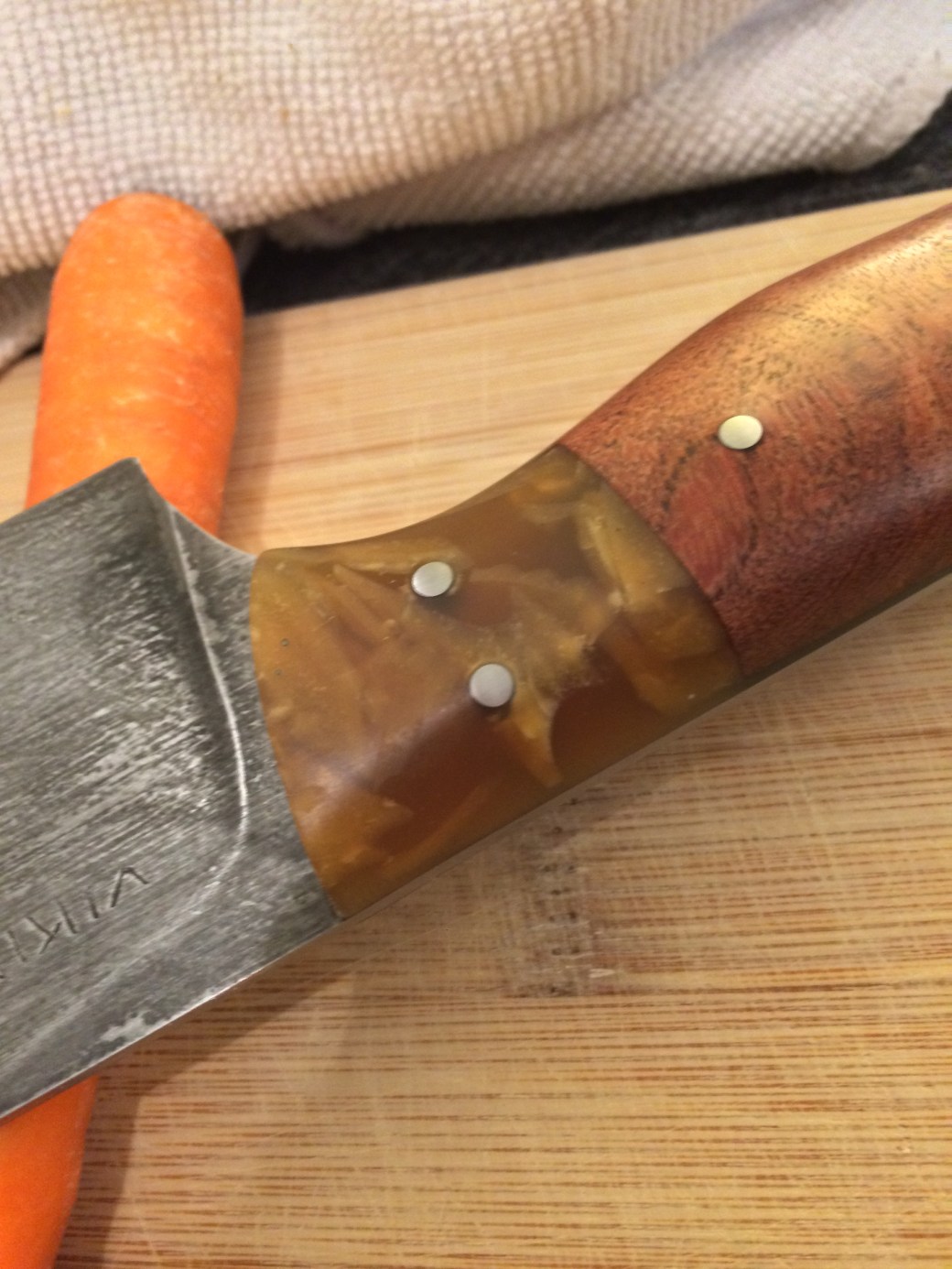
For the bolster we’ll make a material out of bow tie pasta:
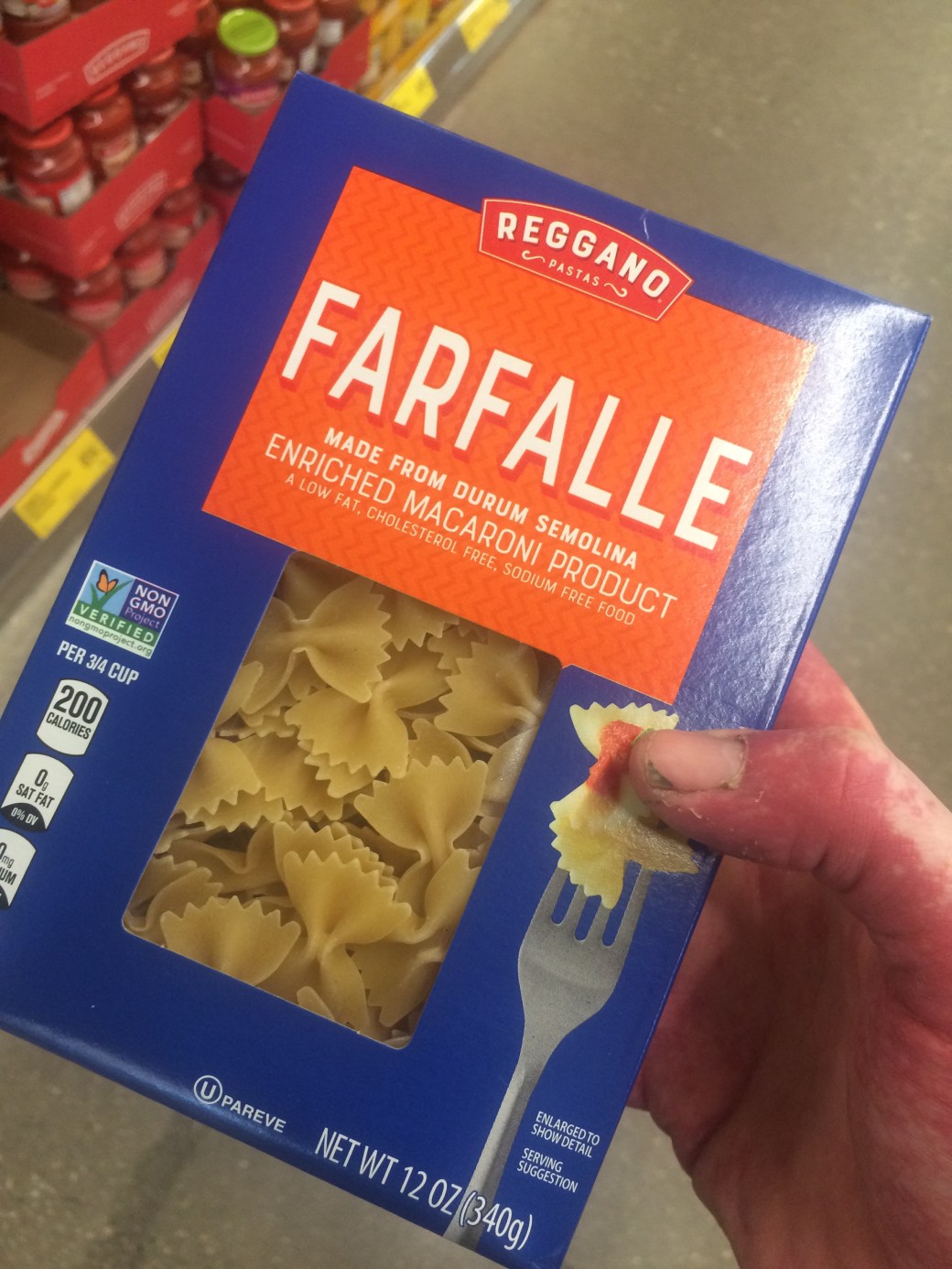
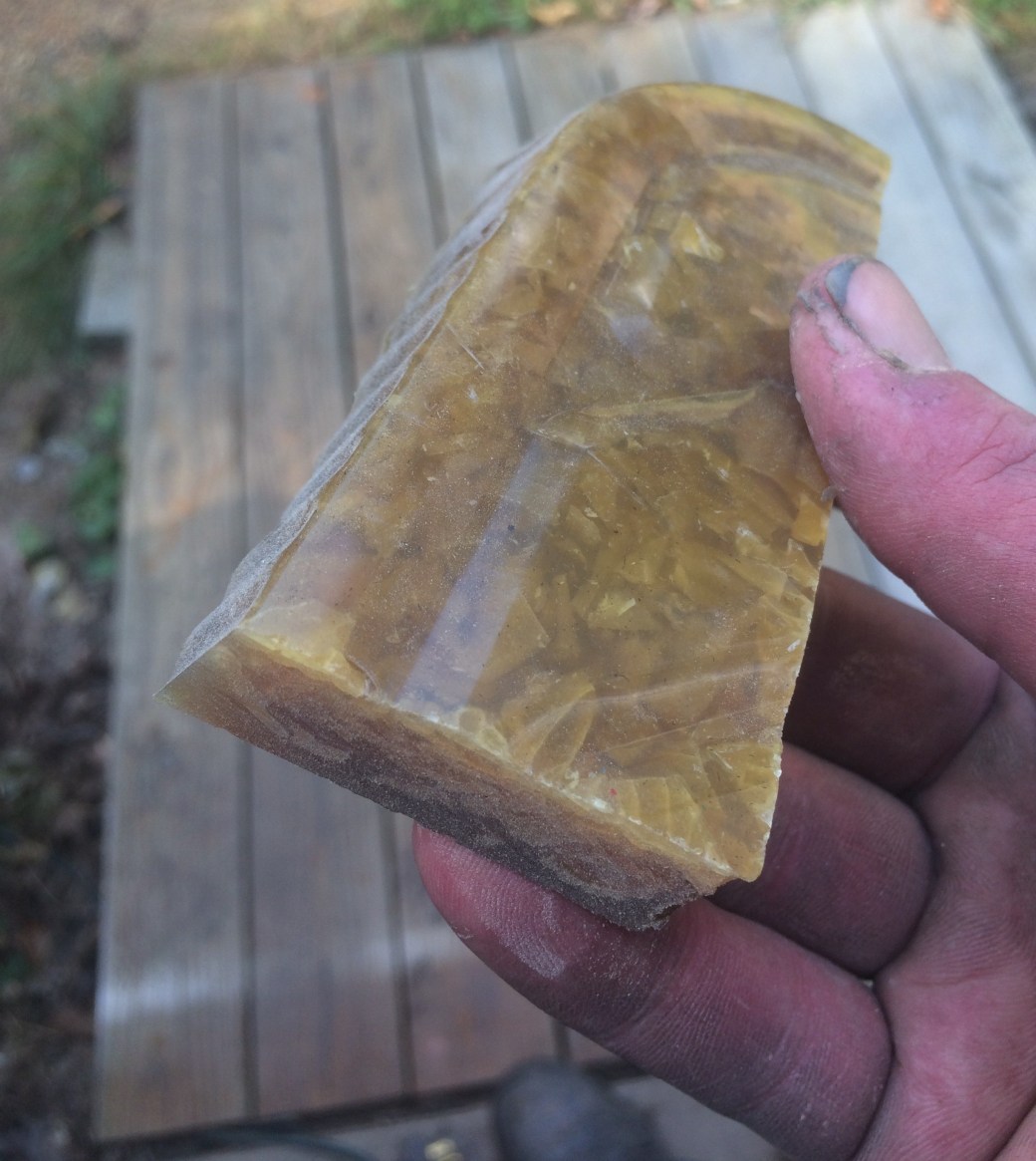
After it gets smashed up and set in fiberglass resin…

…you get something like this:
img_7586-e1568582334258.jpg

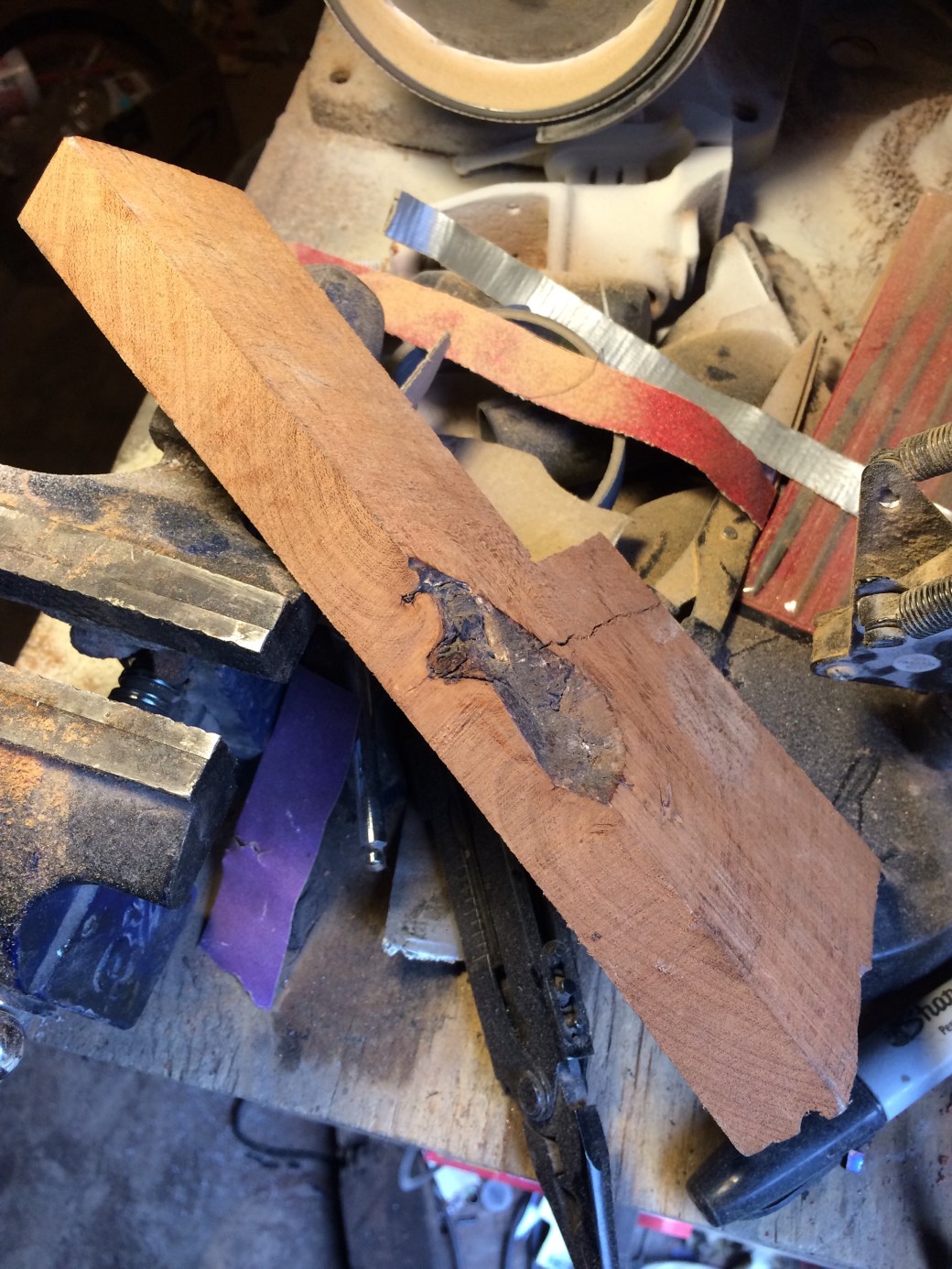
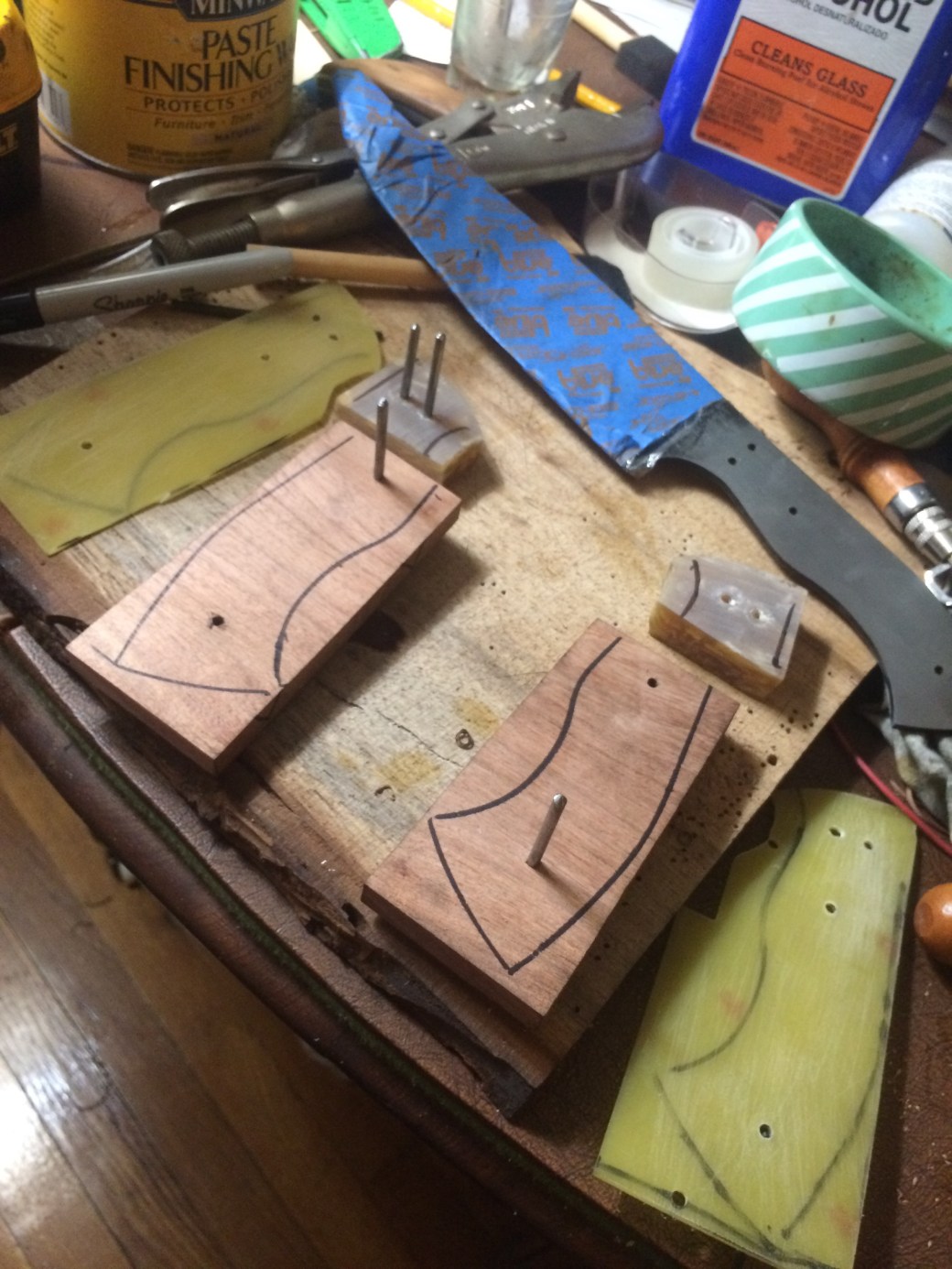
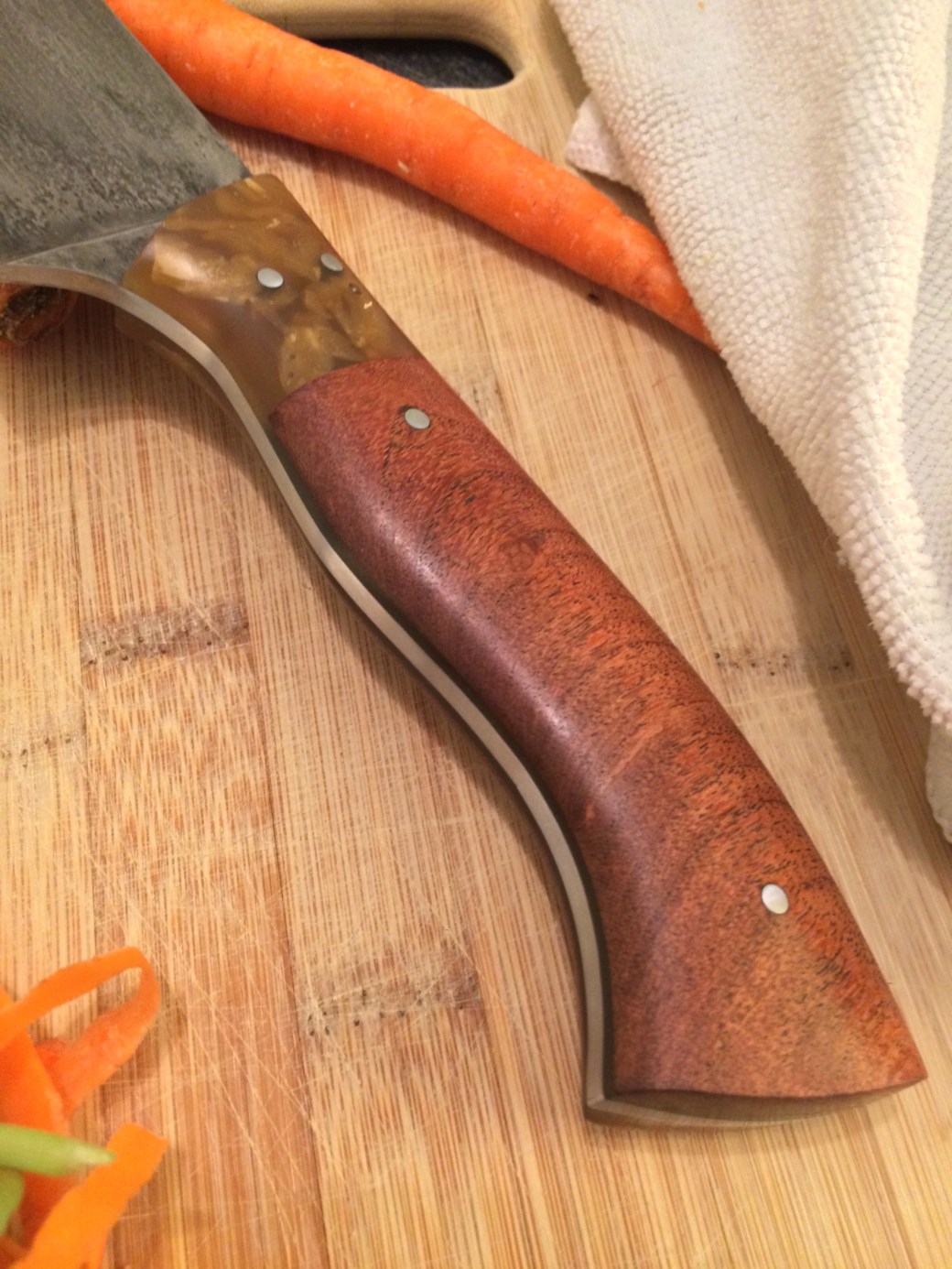
Texas Mesquite:

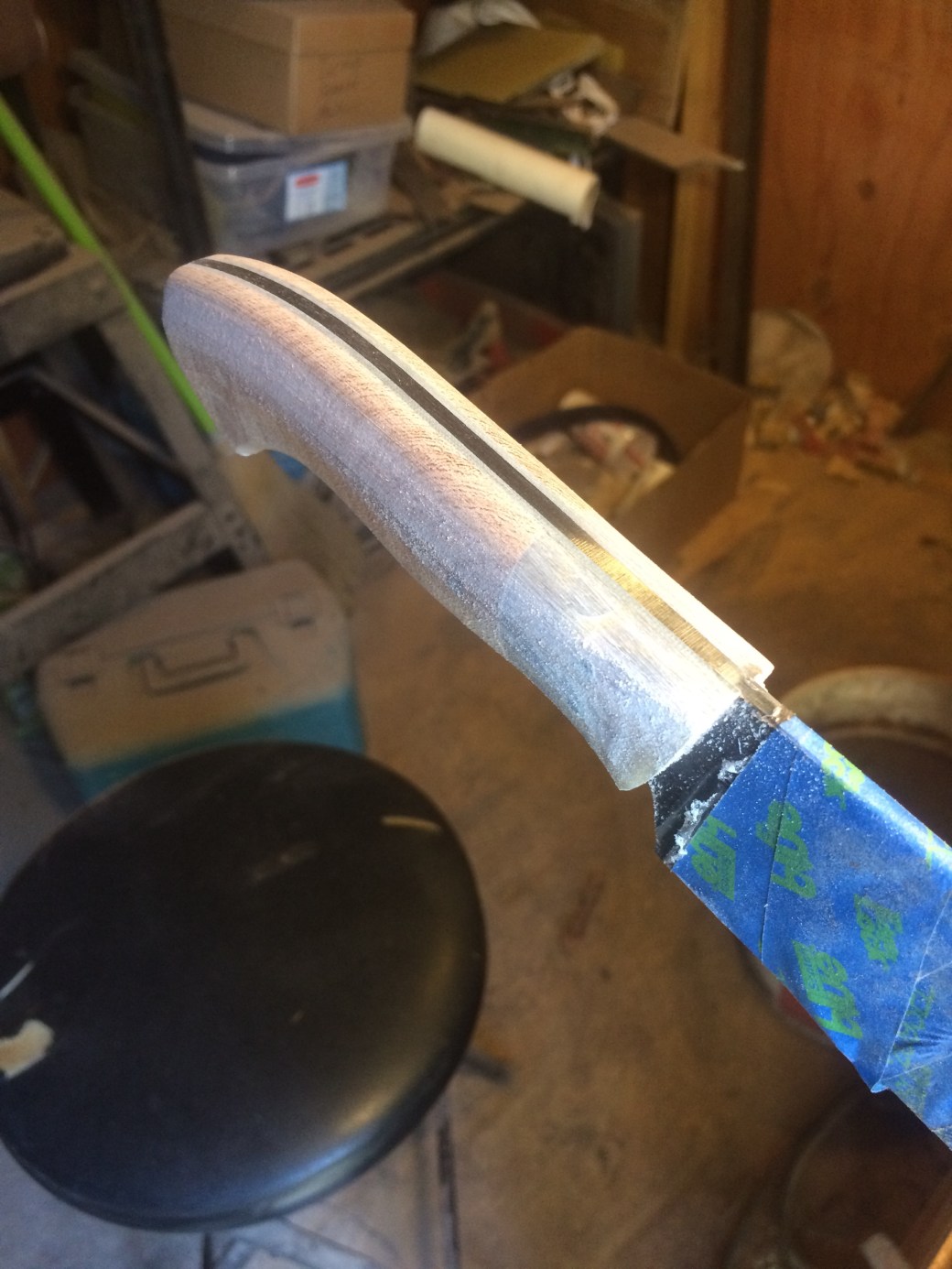
Glued:

The Notre L’affaire:

Knifemaking: braving the storm and St. Elmo’s Fire

“I have seen many storms in my life. Most storms have caught me by surprise, so I had to learn very quickly to look further and understand that I am not capable of controlling the weather, to exercise the art of patience and to respect the fury of nature.”

Paulo Coelho

St. Erasmus, or St. Elmo, is known as the patron saint of sailors.   The namesake of this blade refers to a meteorological phenomenon that results from an electrically charged atmosphere that occurs during thunderstorms.  It manifests itself as a series of blue sparks, with the mast of the ship acting as a conductor.  During storms at sea, sailors would often observe St. Elmo’s Fire.  It has always been symbolized as a sign of the Divine, and sailors knew that they were looked after when it appeared.

stelmo

I made this blade with idea of it being a seaworthy vessel- something that has braved many storms and still has its spirit intact.  Sometimes we brave so many storms that we forget how to enjoy the calm.  Instead of having a life of calm punctuated by storms, it becomes a life of storms punctuated by calm.

The important thing to realize is that beneath the churning waves and far beneath the thunder, lightning and winds is an entire body of calm.  And that there was calm before the storm and there will be calm after.

This isn’t to say that storms aren’t dangerous but they do come with their lessons.  I’ve spent a good amount of life in a state of anxiety anticipating storms.  Some of us have been conditioned to live in constant turbulence, lest we not be prepared for the foul weather.  Over time, we stop differentiating between the calm and the turbulent seas and create a maelstrom where there is none because we haven’t ever known what that calm feels like.  Shifting this type of thinking takes time and a good deal of work.  To be perpetually worried of the storms robs you from fully enjoying the moment and the beautiful things that occupy the vast majority of time between.  Ultimately you can’t control the Nature but you can control yourself.

This the lesson of St. Elmo’s Fire.  To allow the storms to pass and to have faith that you will find safe passage through the rough waters.  To feel your own calm in the midst of chaos.  Oftentimes you can find out what you are really made of within that chaos.

This blade was a commission for a very old friend who did a lovely photoshoot for me.  We’ve often talked about storms and how to get through them.

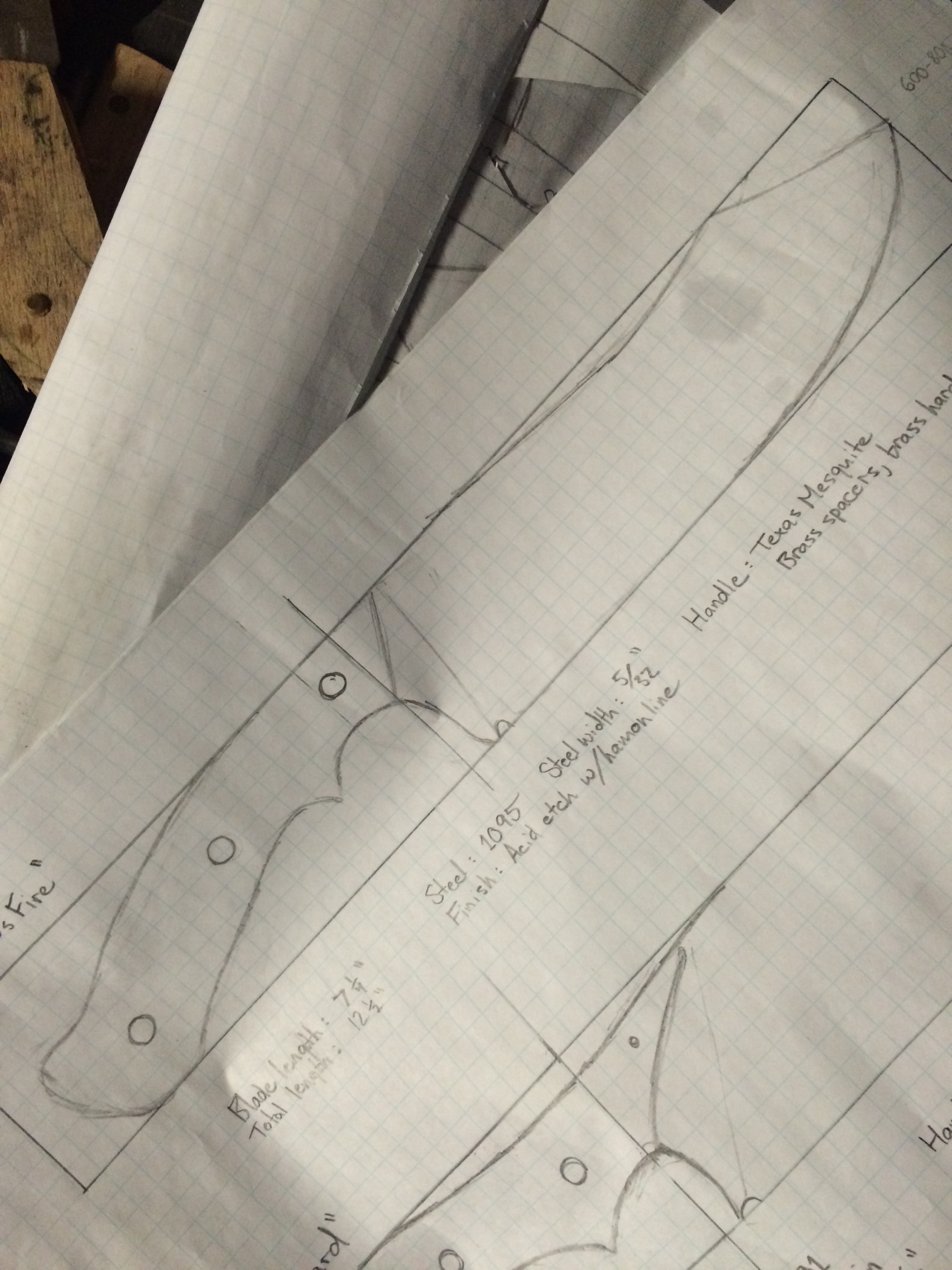
I did a series of kitchen knife designs and this one was sort of a wild card.  Functionally she is a German style chef’s knife.  The clip in the blade gives her some forward momentum.  The drop in the handle rests comfortably in the heel of the hand, and also follows the natural line of the forearm through the wrist.  The finger choil provides a comfortable resting place for the lower three fingers if a traditional chef’s grip is preferred.

The blade is 7.25″ long.  Blades these long are a continual challenge for me to grind.  If ground too thin they will warp and possibly crack during heat treat.  On blades this large there is grinding before and after hardening and tempering.

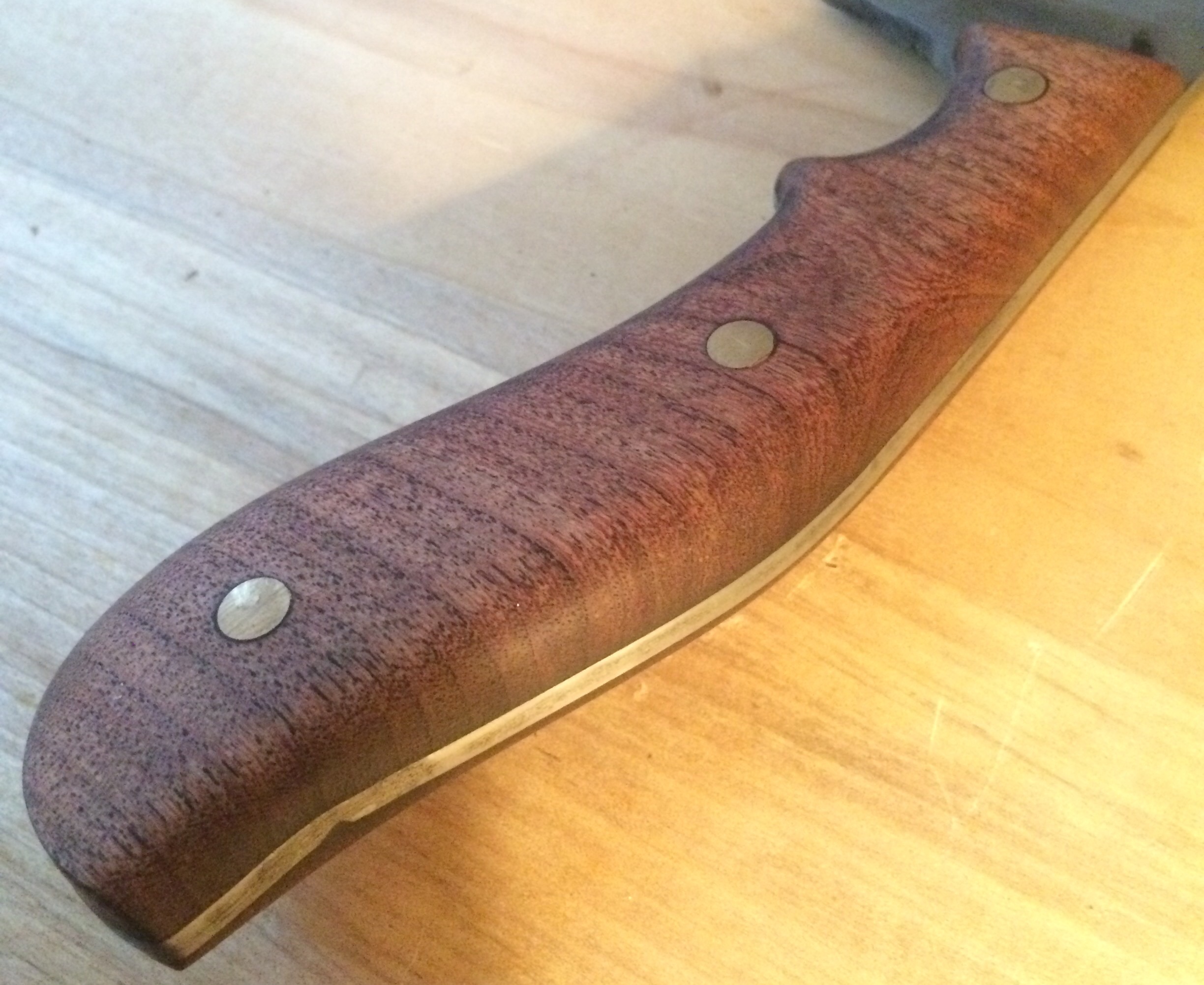
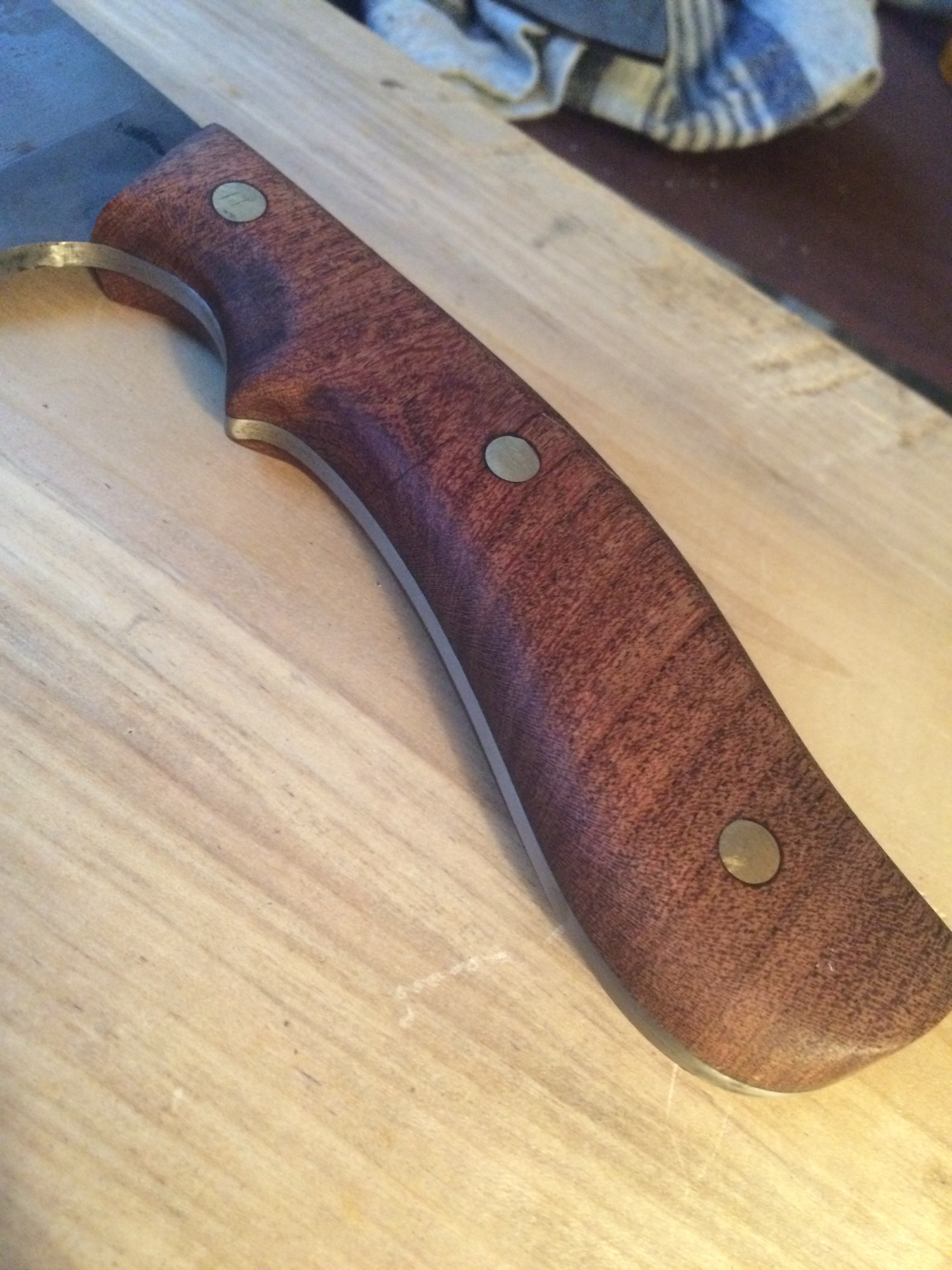
  I love working with Mesquite.  It has a fiery bouquet.
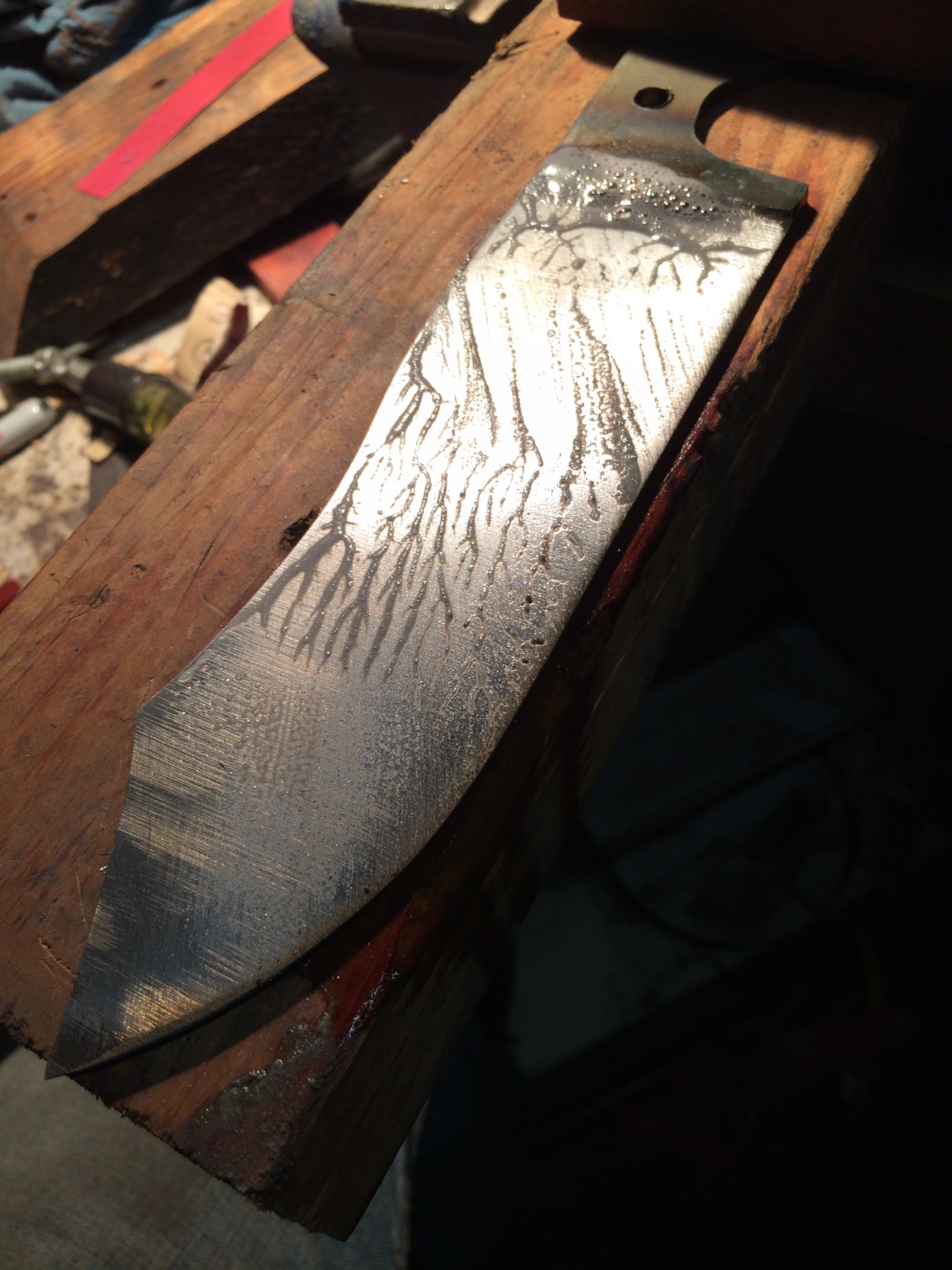
  St. Elmo’s Fire: 1095 spring steel with a phosphoric acid etch, Texas Mesquite handle and brass hardware.

  
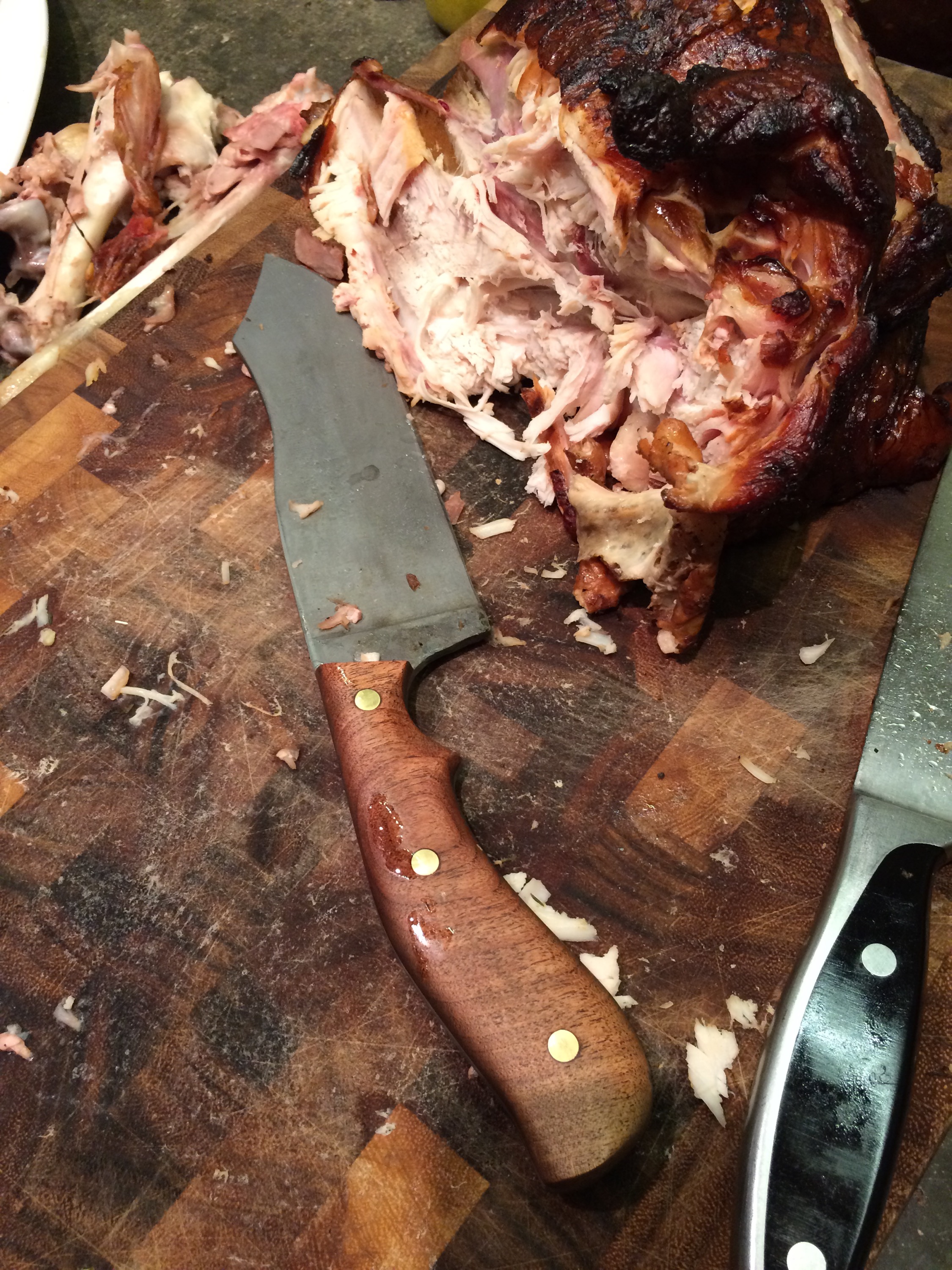
There was some turkey involved on this past Thursday  

Trust that the storm will pass.

Be sure to check out Lauren Serpa and her beautiful work.

Knifemaking: power in the small things and the Petit Poucet

“It has long been an axiom of mine that the little things are infinitely the most important.”

― Arthur Conan Doyle, The Memoirs of Sherlock Holmes


When I was twenty-one I took a summer job in a cabinet shop.  I was in between semesters of school and had made some pretty significant life changes, at least for a twenty-one year old.  I had transferred colleges and I decided I wanted a summer job where I would learn something useful.

This particular cabinet shop did custom work.  Everything was built to order.  The owner was a friend of my family’s.  On my first day I was introduced to everyone in the shop.  It was noisy in there, with all the fans and sawdust collection systems, and everyone heard my name as “Bernard” instead of “Ballard”.

I didn’t find this out until later, after everyone had been addressing me as Bernie for at least two weeks.  I was just happy to not be called college boy.

I was hired to sweep floors, which I did for approximately one hour on my first day.  After that hour I was handed a reciprocating saw and told to cut up a stack of pallets.  When they found I still had all of my fingers, they gave me other things to do not involving sweeping the floor.  From then on I did whatever was asked of me, still happier to be called Bernie than college boy.

I built drawers for desks to go in lawyers’ offices.  I would be on a crew of four guys to build an army of receptionist desks for a medical complex.  I built a mile of L-bracket to mount cabinets in an insurance building.  When you work in a shop with over a million dollars worth of tools and machinery there isn’t a whole lot that you can’t build.  The owner liked to make money and I can count the number of times he subcontracted jobs out on one hand.

This was one of the best summers of my life.  I didn’t hang out with anybody.  I didn’t go on any dates.  I got to work at 7:30a and left at 4:45p.  When I got home I would practice my horn for four hours in my parents’ basement and then go to sleep.  Then I would get up and do it all over again.

I found myself spending full days on a panel saw, a massive contraption designed to rip and crosscut full sheets of plywood.  It cut everything perfectly square.  You see these at Lowes and Home Depot but this machine made those look like Tinker Toys.  This particular one was made by a Nordic company that specialized in making badass cutting tools.  It cost about thirty grand and when it broke down they had to pay a company service tech from Pennsylvania $600 an hour to fix it, which included drive time.  Clearly we were all in the wrong business.

I was given a cut list for each job.  Some of these lists would be casework for an entire building, others just one or two pieces.  I cut all the cabinet pieces by hand, within a 1/64th of an inch, which by industry standards is a pretty large margin.  The real tricky bit was cutting cabinet doors and drawer fronts.  These cuts had to be cut short to accommodate for the laminate that would cover the side edges of the door.  This was to allow the doors to fully close once the edge had been covered in laminate and for the drawer fronts to have the proper reveals once installed.  When I would get to the doors and drawers on the cut list I would know to cut them between 1/16th and 1/32nd of an inch shorter than what was written, depending on the type of laminate being used.

I cut hundreds of these things without incident.  Then one day I screwed up.

The boss called me over.  Shit.

I had sent over four doors that I hadn’t cut short, in this instance it was 3/32nds.  They had been laminated, drilled, installed with ungodly priced hinges, cleaned and finished.

“Bernie, you fucked up.  Let me explain to you the depth of your fuckup.”

He proceeded to tell me that not only had I wasted my time, but I had also wasted the time of everyone involved in those doors, plus materials, wear and tear on machinery, saw blades, electricity, and by default, company time that we weren’t ever going to see again.  With everything involved those doors came to about $240.  A piece.  He instructed me to take them and throw them in the dumpster, but to do it one at a time, and to use that time to reflect on the breadth of my folly.

Four long trips to the dumpster.  I was mortified.  Everyone else thought this whole ordeal was hysterical.  I made sure to not overlook the doors and drawers in the future.

The summer came to an end.  I went back to school with a deeper appreciation for both higher education and the people who build the things that make life possible.

There is much power in the small things and sometimes you only find this when you overlook them.  Sometimes they are absolutely necessary.  Sometimes they make the world a bit sweeter.  Small acts of kindness to yourself and others, small acts of gratitude and compassion- these are the stuffs that can give the world its particular hue.

This is where the Petit Poucet comes in.  I have been designing kitchen knives and also watching Jacques Pepin cooking videos.  There was one of these that struck me where he had all these beautiful knives at his disposal, some quite large and impressive, but he prepared a gorgeous meal using only a six inch utility knife.  Petit Poucet roughly translates roughly to Tom Thumb, a very small person who was able to accomplish large things.  It’s important to not overlook the small things.  This is the lesson of the Petit Poucet, a small but mighty kitchen blade.

I started with a bar of 1095 spring steel

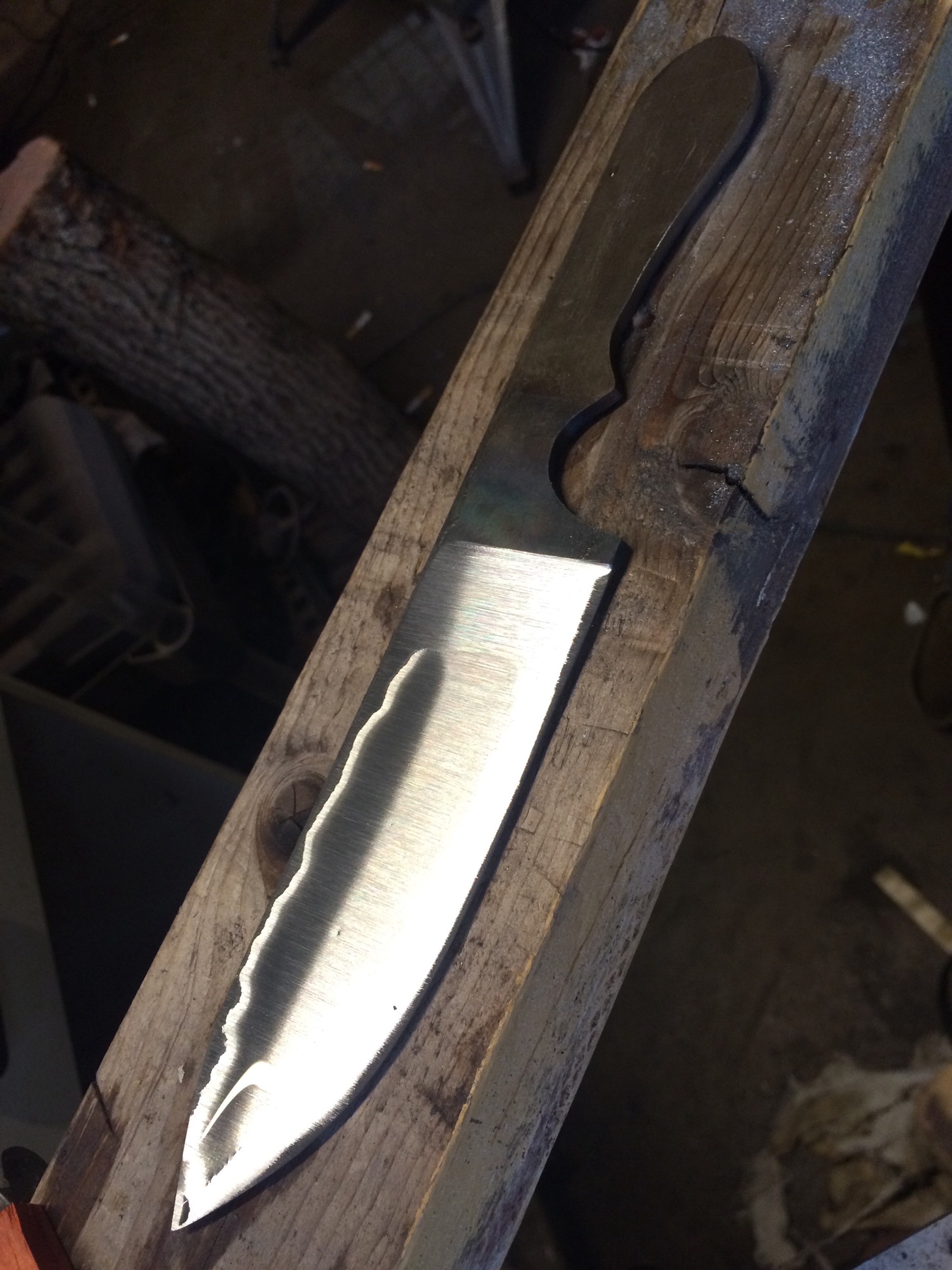
After rough grinding and heat treat.  Thankfully he didn’t warp.

Keeping it cool during finish grinding…

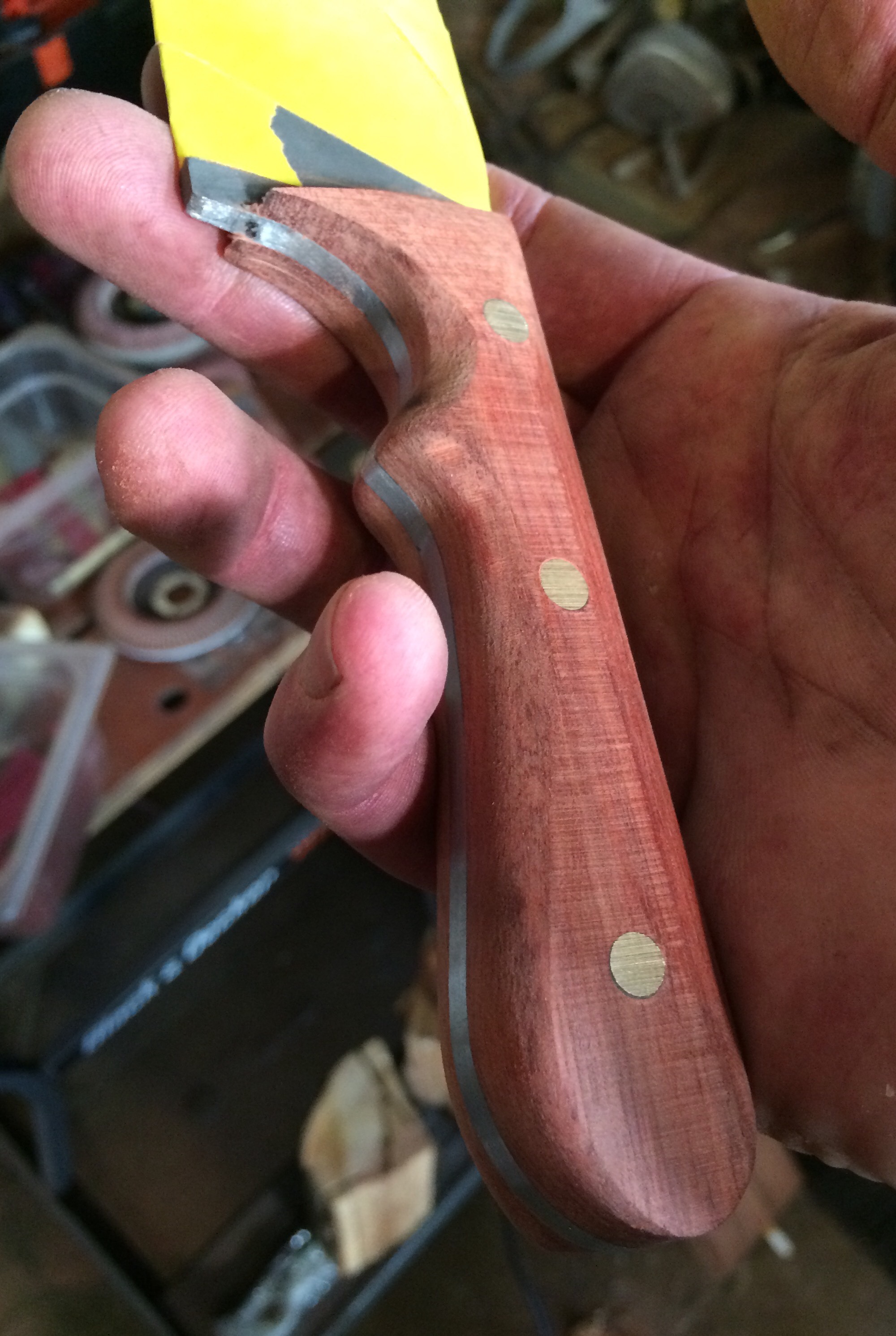
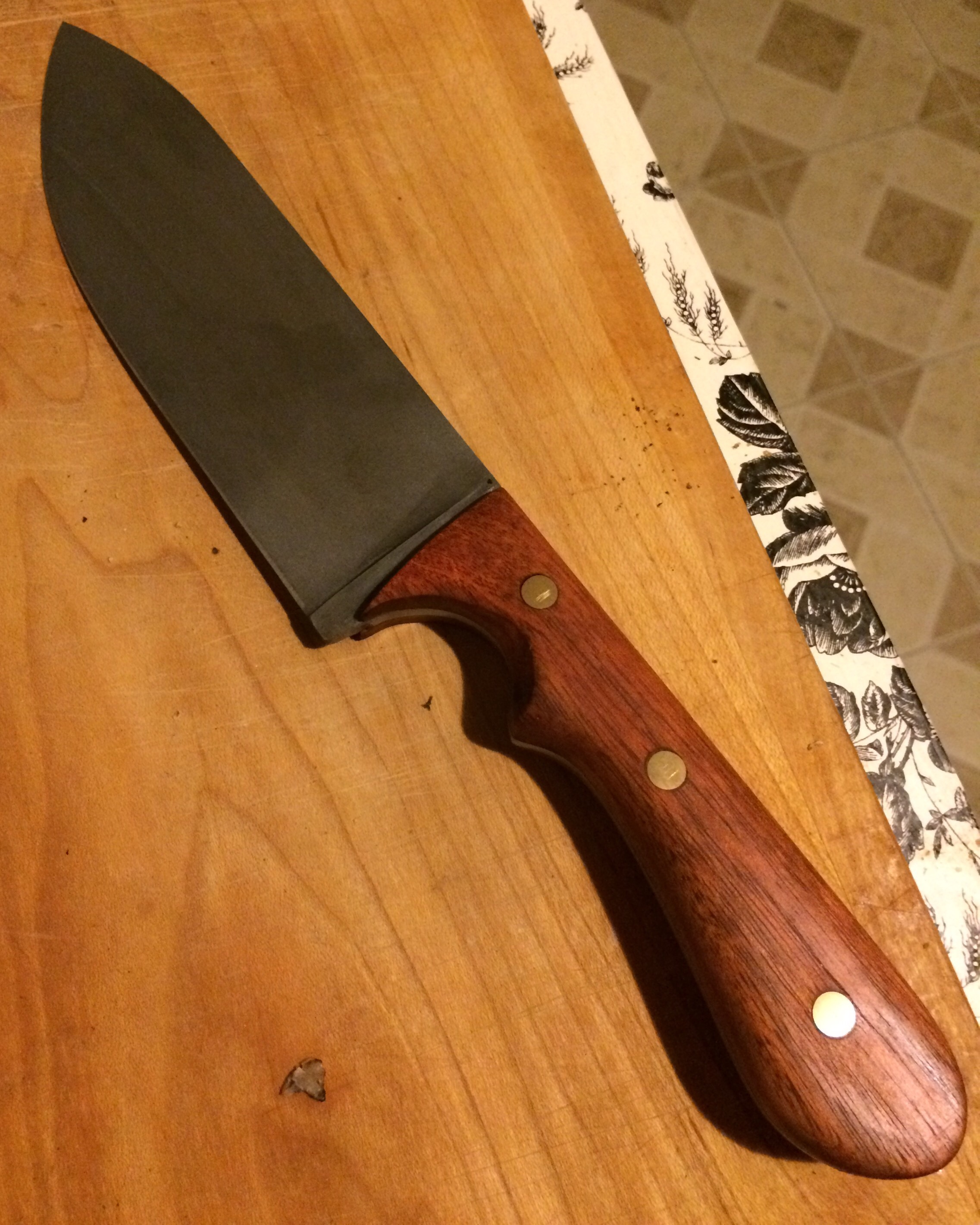
 I had some Bloodwood that I found to be striking the Petit Poucet: Acid etched 1095 spring steel, Bloodwood handle, and brass hardware.


Mind the small things- the big things will turn out that much better…and you will save four trips to the dumpster.

P.S.- the man I worked for was possibly the best boss I’ve ever had, and one of the most decent men I’ve ever known.  We still talk from time to time.  He keeps saying he has a place for me in his business and asks me how I am with finance.  If he only knew…