“He who conquers himself is the mightiest warrior.”
-Confucious
Warrior, Merchant, Artisan, Farmer. These are the four classical occupational archetypes of Feudal China. These archetypes still ring true today. There are variances and nuances but in the way we go through life, many of us find ourselves in all four of these occupations, even if only briefly:
-The Farmer understands the value of labor. He is master of working within the seasons to sow his crop.
-The Artisan understands how different mediums and materials go together, and how to craft his goods within that understanding. He is master of his tools.
-The Merchant understands business- buying low, selling high, and having a good product. Business at it’s core level is the art of profit and the Merchant is master of this.
-The Warrior understands the above three archetypes. He is master of himself and carries the weaponry of his choosing. He serves society.
I have found myself, at various points in life, in all four occupations. The Warrior intrigues me most. Speaking as a man, I feel that most of us want to master ourselves, and the things that try to enslave us- our fears, our desires, and our insecurities. In our occupations and work, obsessions and compulsions can develop, our fears can play out, and we can become consumed. We can become obsessed with trying to squeeze the seasons dry, or maximizing profits, or with crafting a better and more beautiful mousetrap. When these things become all that we see, we have failed to master ourselves and aren’t really serving anything except for what we are trying to achieve. At this point, all the things that really matter get left in the dust. We lose sight of the world we live in and are not present in our lives.
In order to master yourself you must know yourself. Sometimes the best way to know yourself is to know others. And sometimes the best way to do that is in service to others.
I was working a large arena rock and roll show, one of the largest I’ve ever worked. The headliners had been around for decades, on the top of the charts, and darlings of video-era MTV. They have recently been selling out arenas around the world.
I strolled into the production office to get my assignments for the day. There was laundry, grocery shopping for the tour busses, FedEx and post office runs, prescriptions to be filled, and other bits of housekeeping errands that keep a massive touring operation on the road. Not everything gets done. Touring is a practice, not a science. The most successful touring operations are predicated upon this notion. My job is to take care of as many of these things as possible based on what the tour needs and the priorities of the show. This doesn’t leave time for anything that may be superfluous or unnecessary.
After the day was laid out and I had my assignments, the tour manager asked if I could add another thing to my list. There was a very large basket of toiletries- soaps, shampoos, and lotions- that had been collected from God knows how many swanky hotels. The tour manager asked me if, time permitting, I could find a Women’s Shelter or a shelter for families in transition and drop them off there. The band and the crew collect them from every place they stay for that explicit purpose.
I didn’t give it too much thought. I had a lot of things to do and honestly this little task wasn’t real high on my list. But the tour manager kept asking me about it and so I decided to make it a priority. After all, I was in a position to take care of this. I got on the internet and found a facility nearby. It was a shelter for women leaving bad domestic situations- in many instances they showed up with nothing but the clothes on their back.
I called them and told them who I was and who I was with and asked if they accepted donations. Yes we do, they said, please come by.
So I went by, even though I really didn’t have the time. The people at this organization were really happy to get these things. They wanted to take a picture for their social media page. All smiles. They thanked me for thinking of them and to remember them in the future because funding is always tight and every bit helps.
This was all really special to be a part of, even though it was a pretty small thing. I wasn’t really expecting that and it was nice. I don’t normally find myself in these sort of situations. I’m usually wrapped up in my own affairs, serving the things I am trying to achieve rather than broadening my gaze. I noticed a lightness in me and the rest of the day felt easier.
There’s a lot of talk about privilege- white privilege, gender privilege, and a myriad of others. When all of the social justice orthodoxy is stripped away, I find privilege to be a form of power. There’s nothing wrong with being privileged but it’s important to be aware of it. Many of us aren’t aware that we have that power within ourselves. It’s a noble thing to use that privilege, that power (which, honestly, many of us take for granted) to help those who may need it. It’s a really special thing to give or share of your time and talents when it’s within you power to do so. This type of service can help you to become more familiar and intimate with yourself, and also help to make the world around you a better place. That is the mark of a Warrior, and the lesson of the Sir.
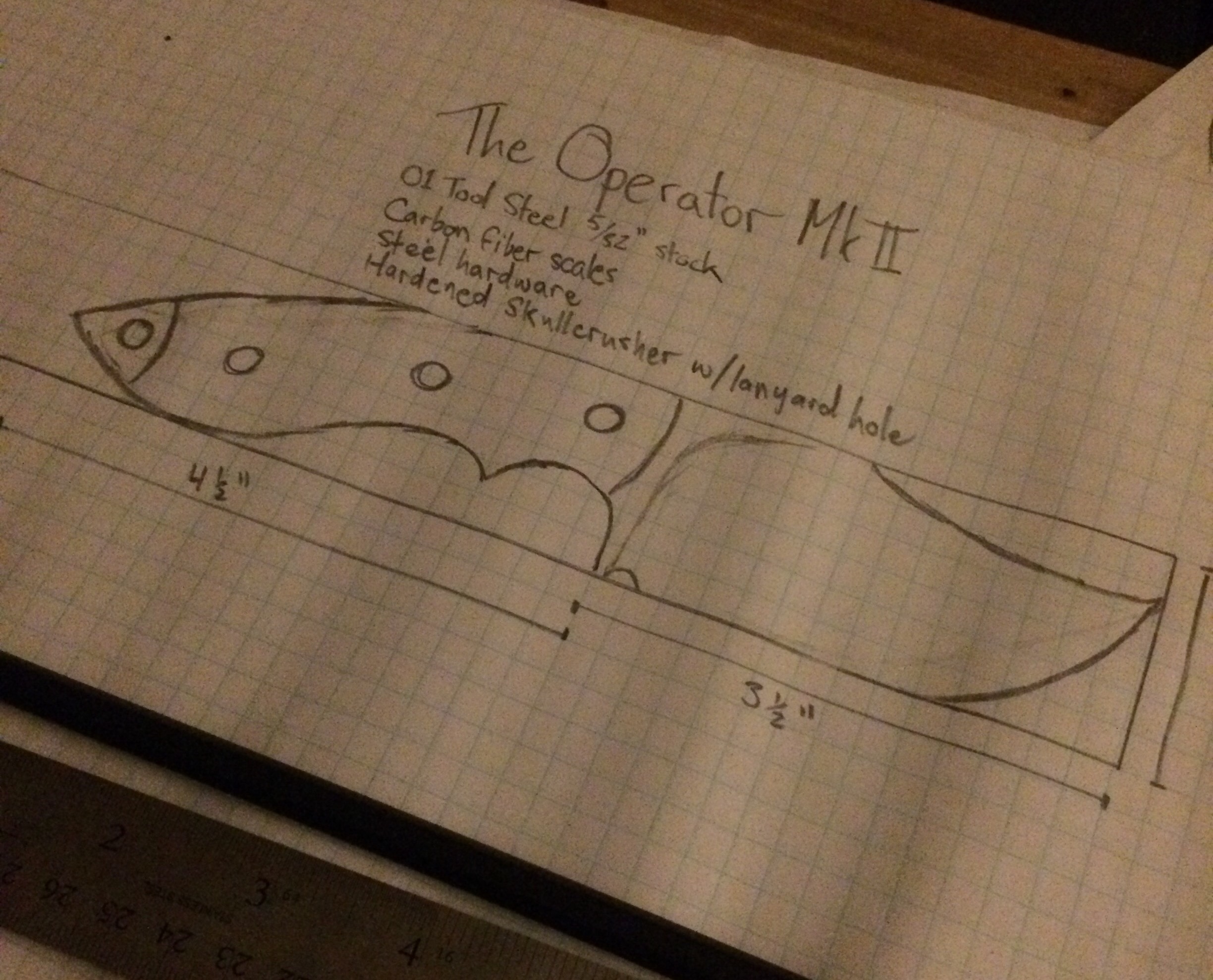
O1 tool steel, thin stock
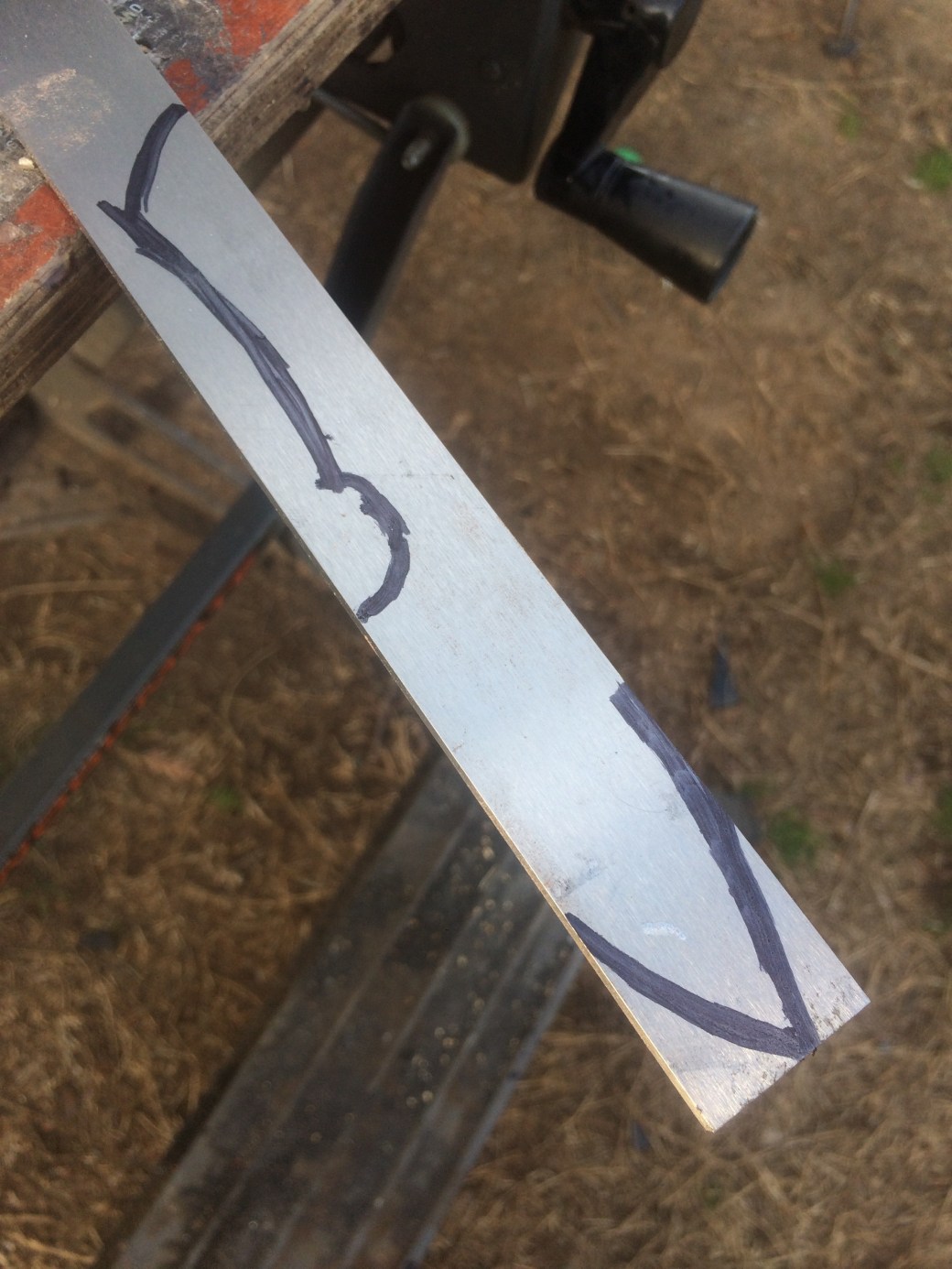
Profiled:
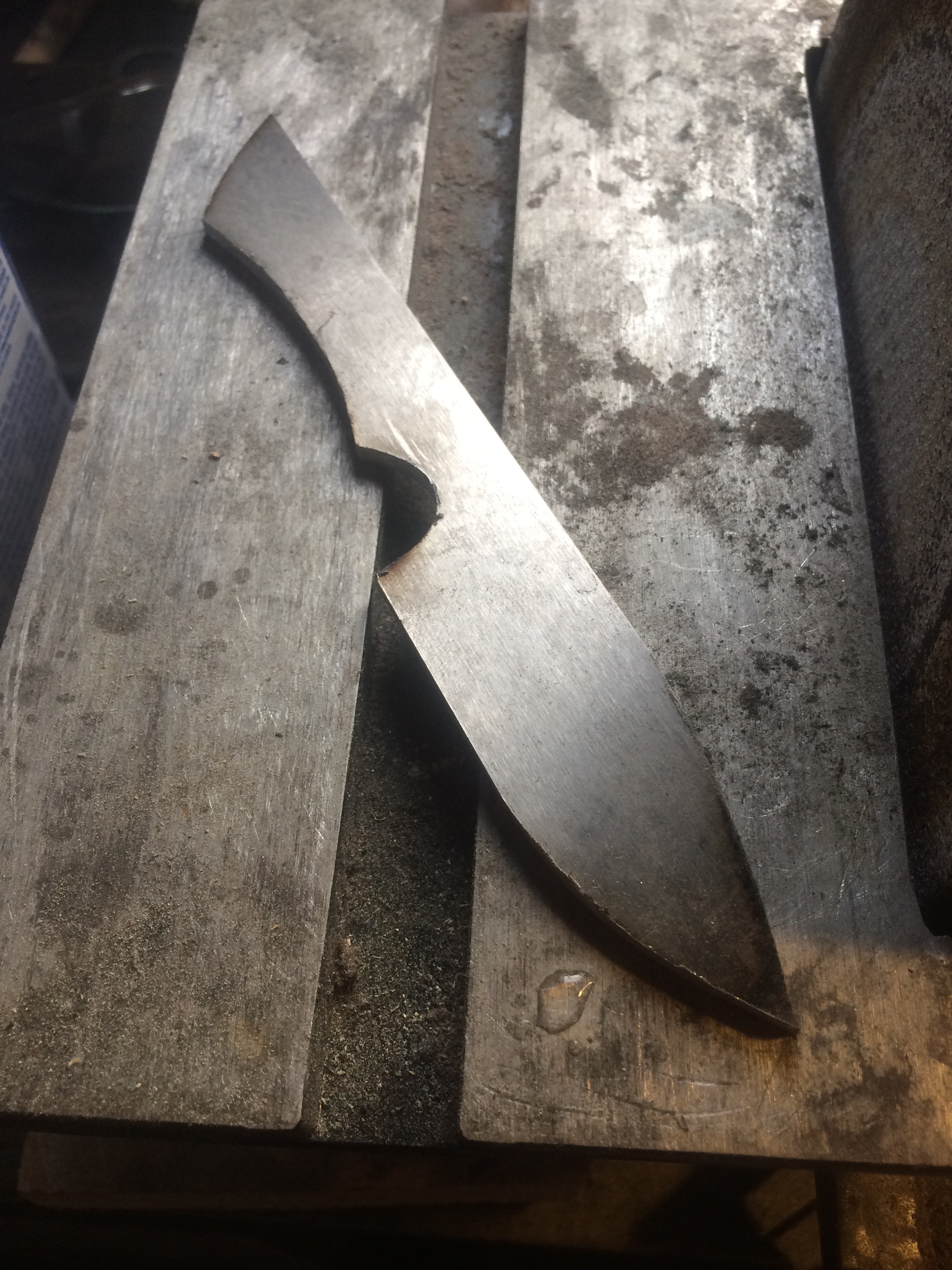
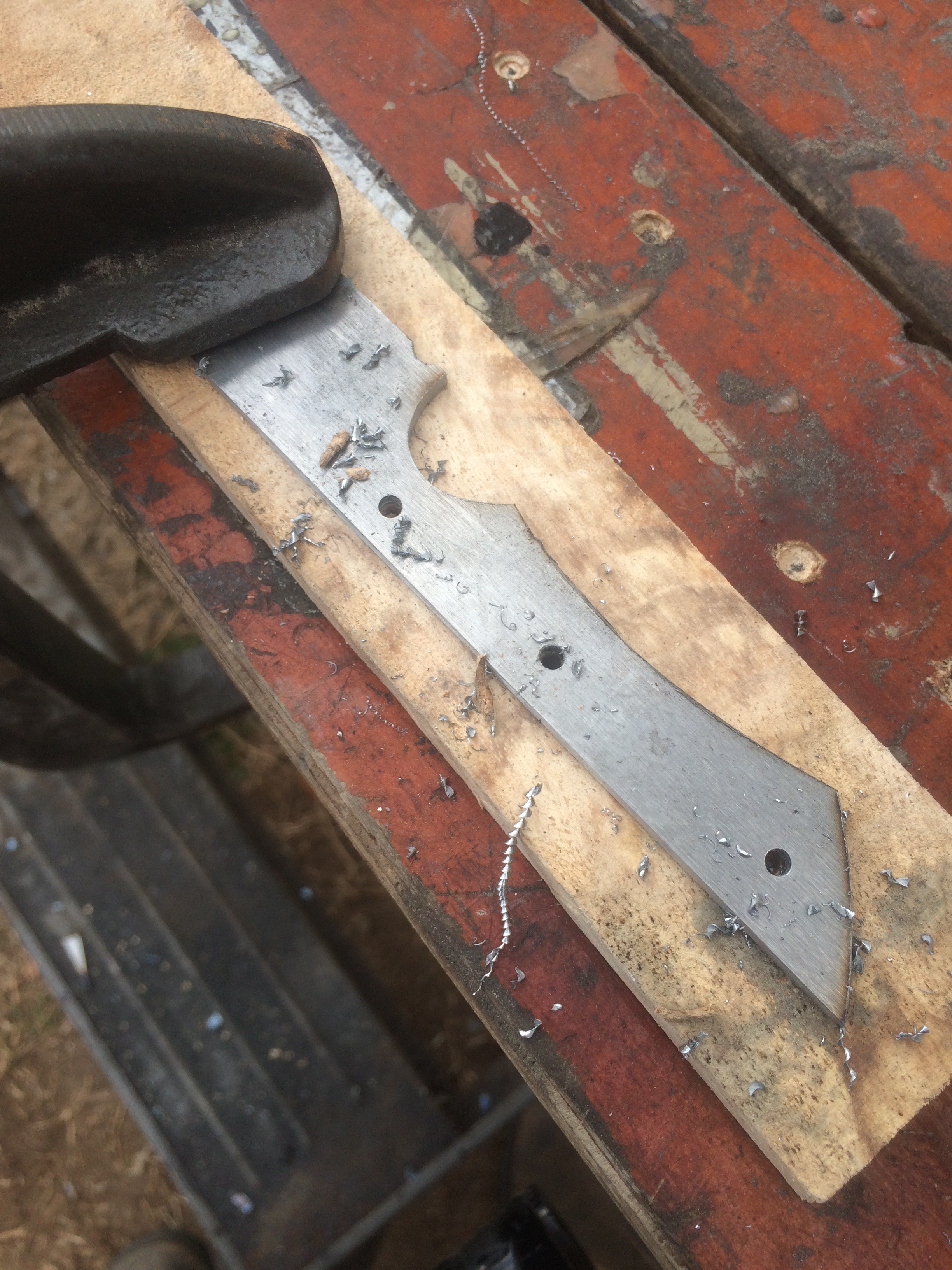
Rough grinding:
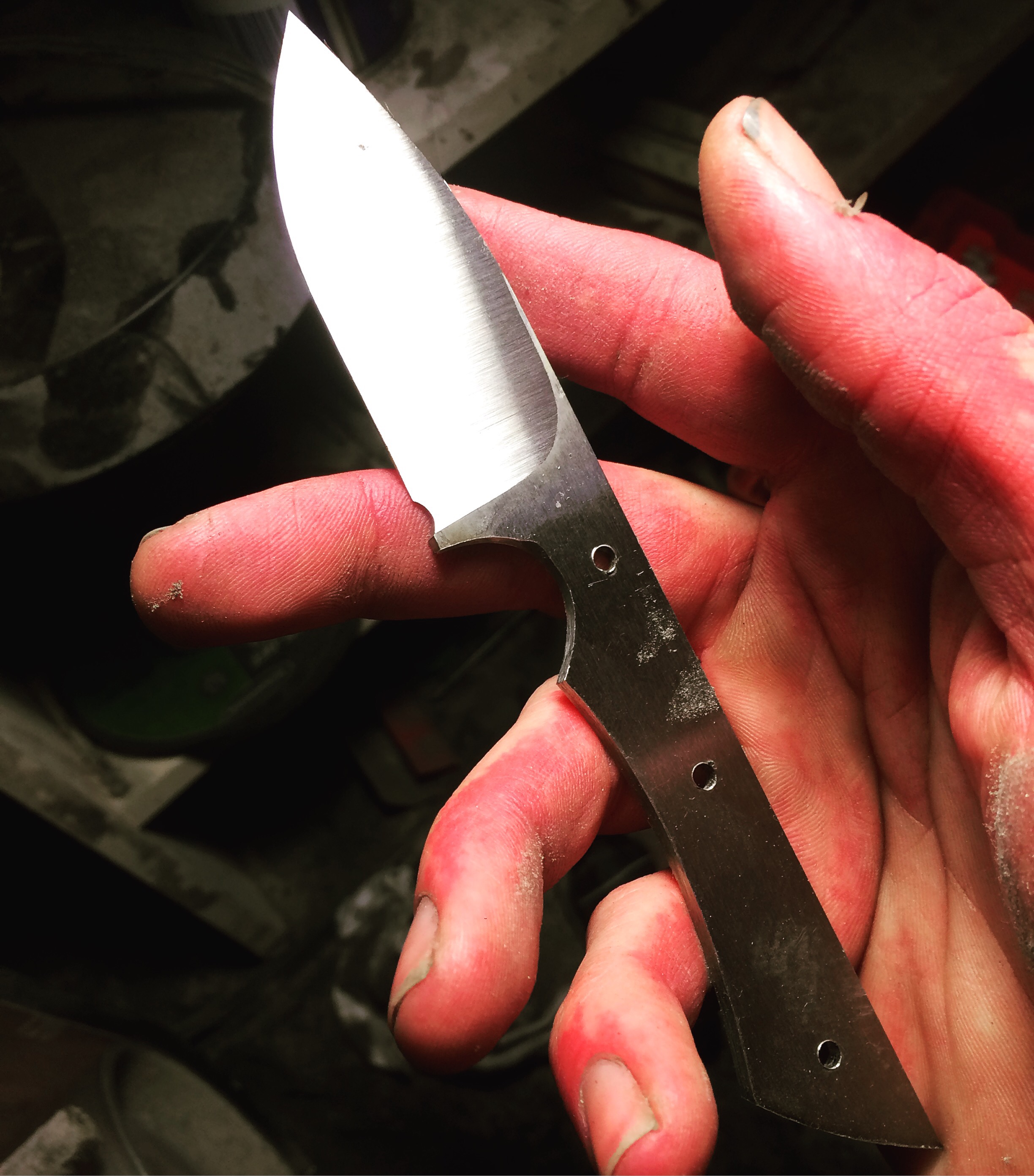
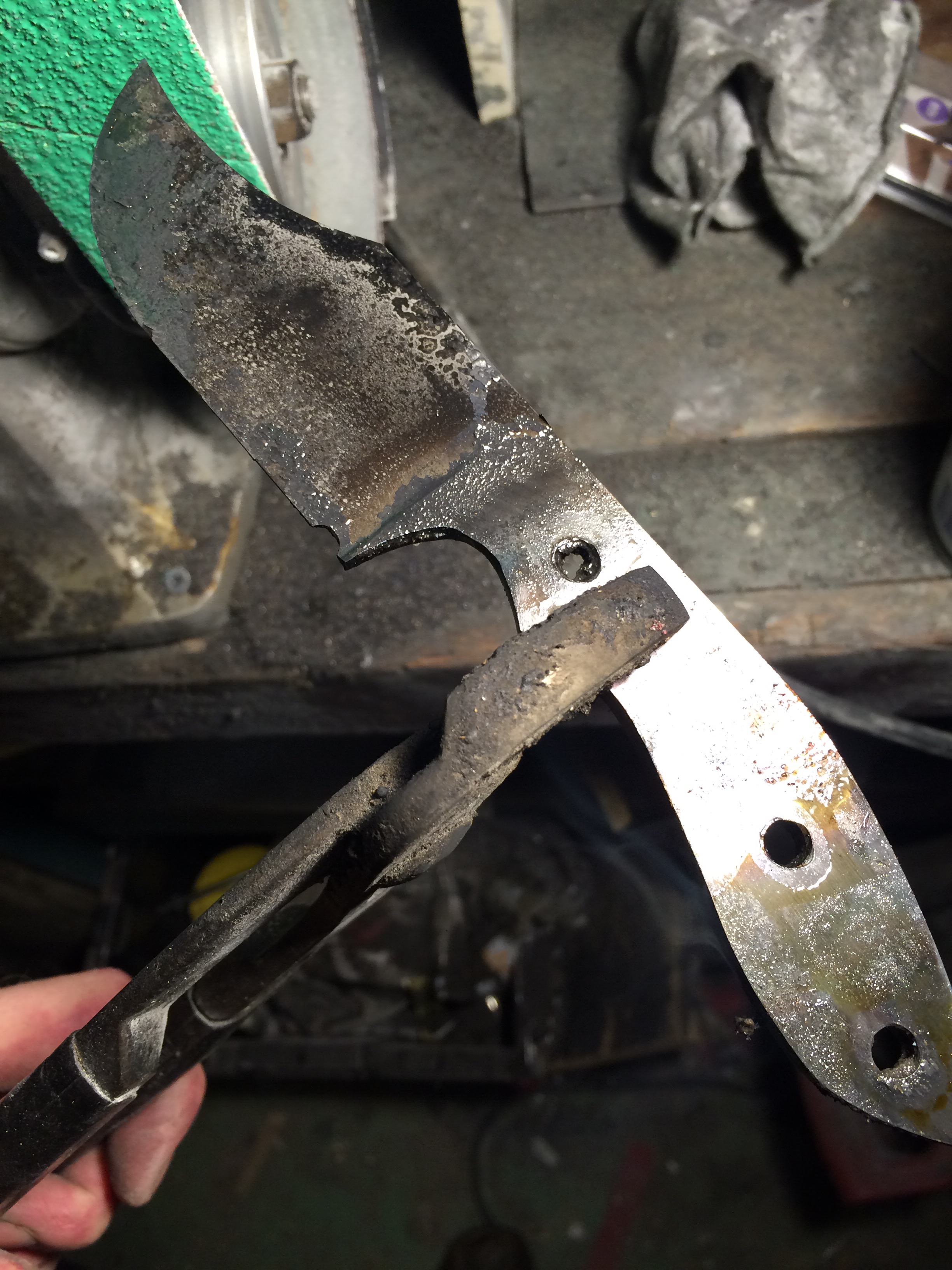
This is how to heat up your quench oil on a cold day:

Hardened and tempered:
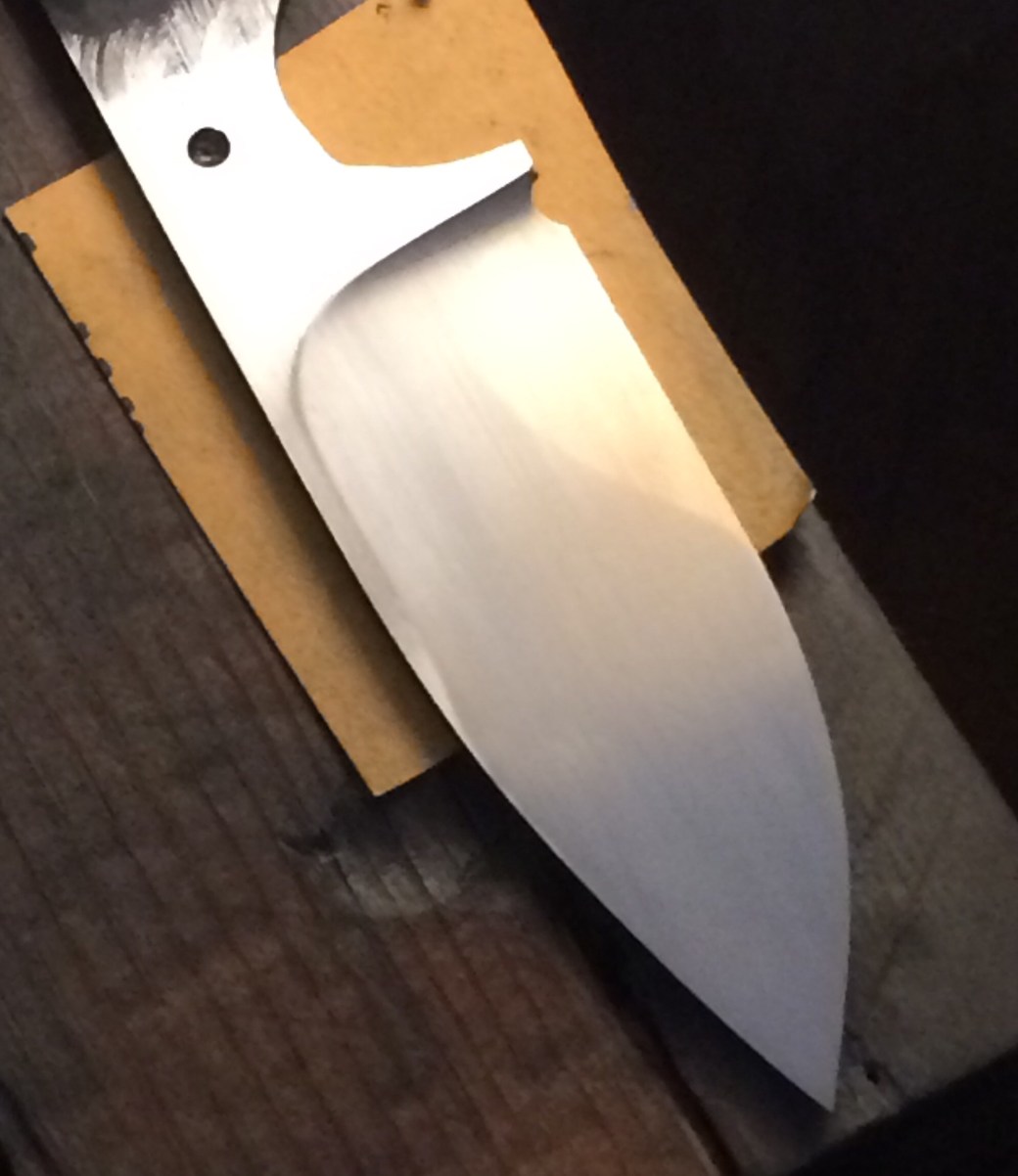
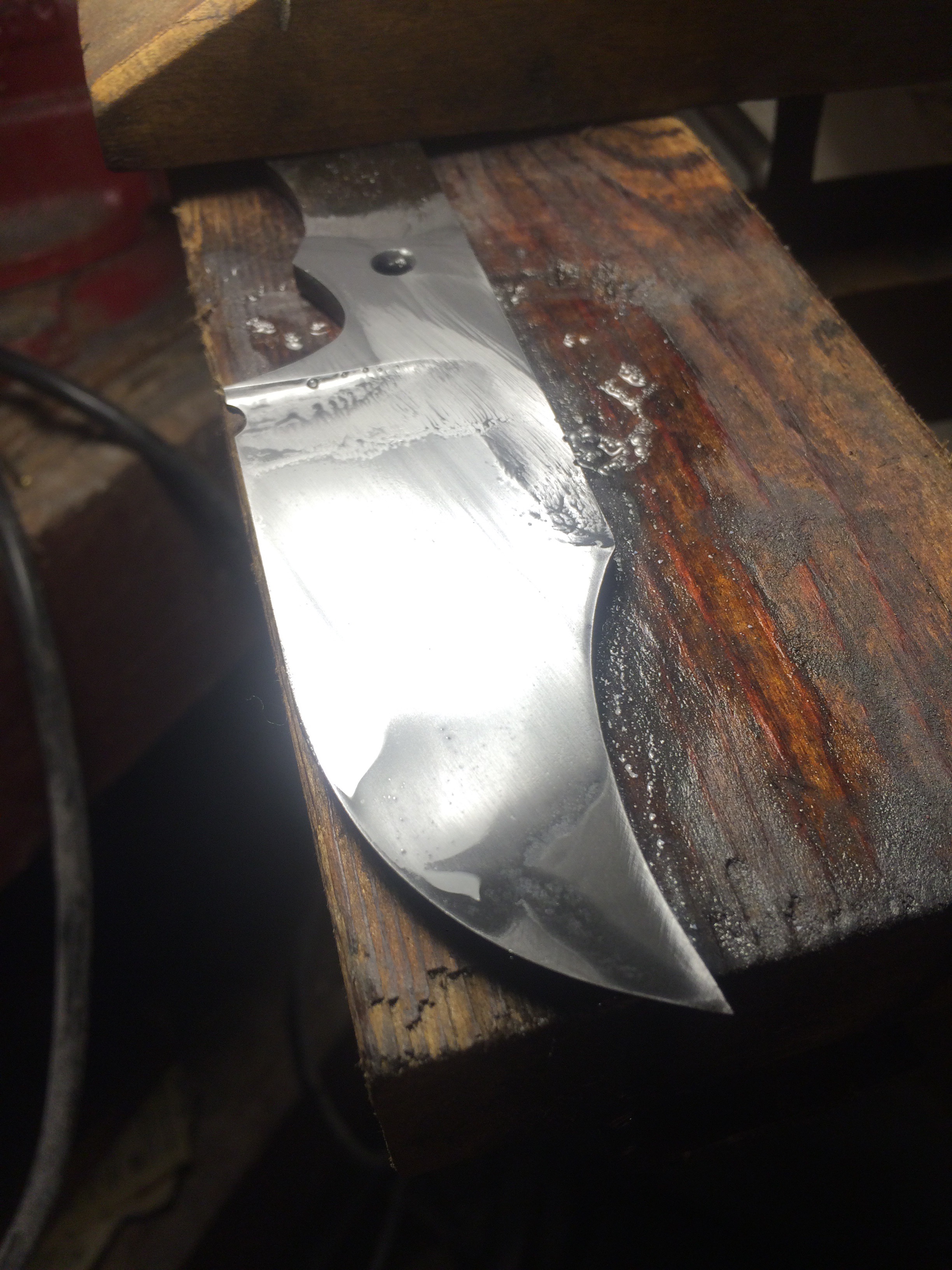
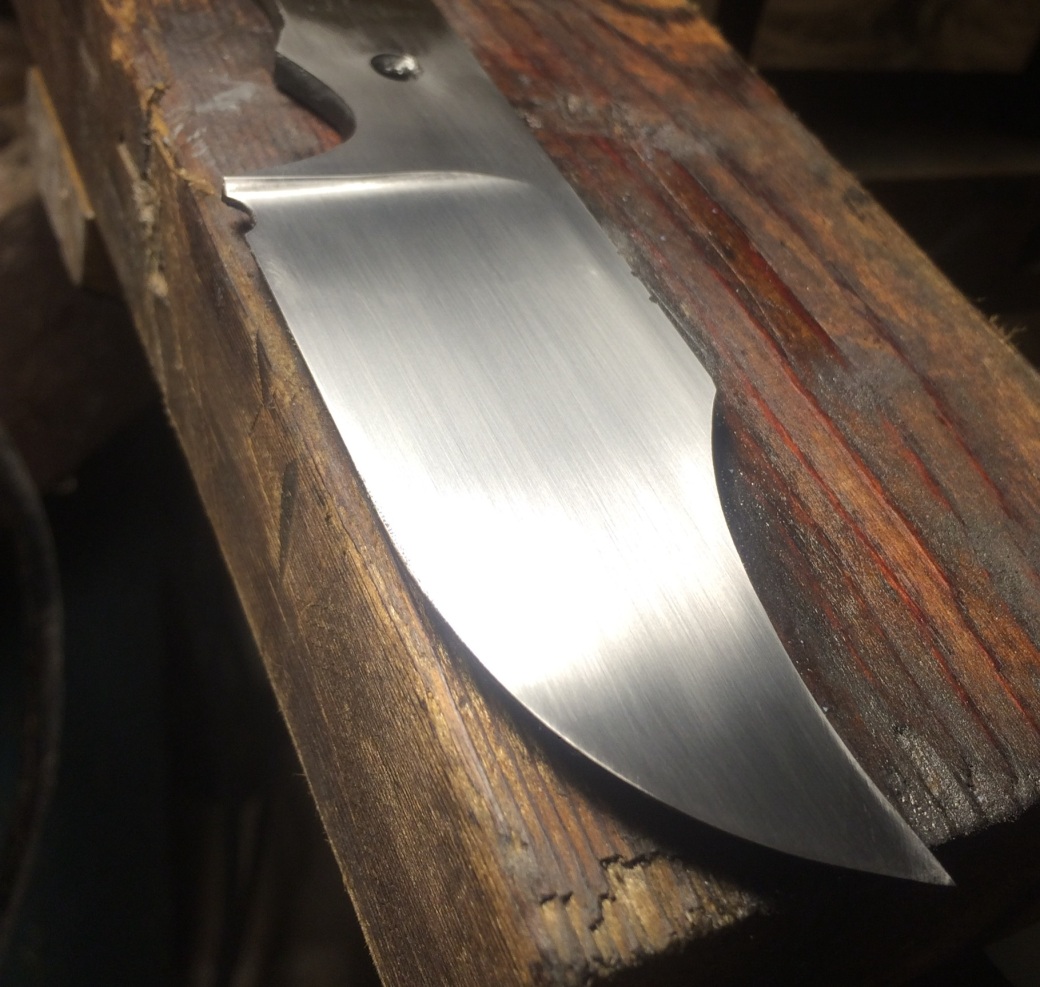
Handfinishing, at around 220 grit:
Hand finishing at around 320 grit:
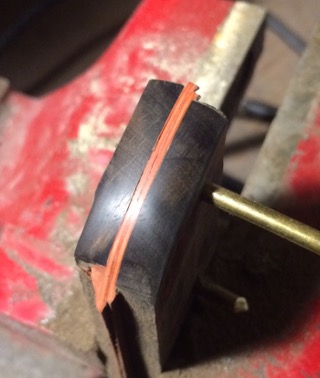
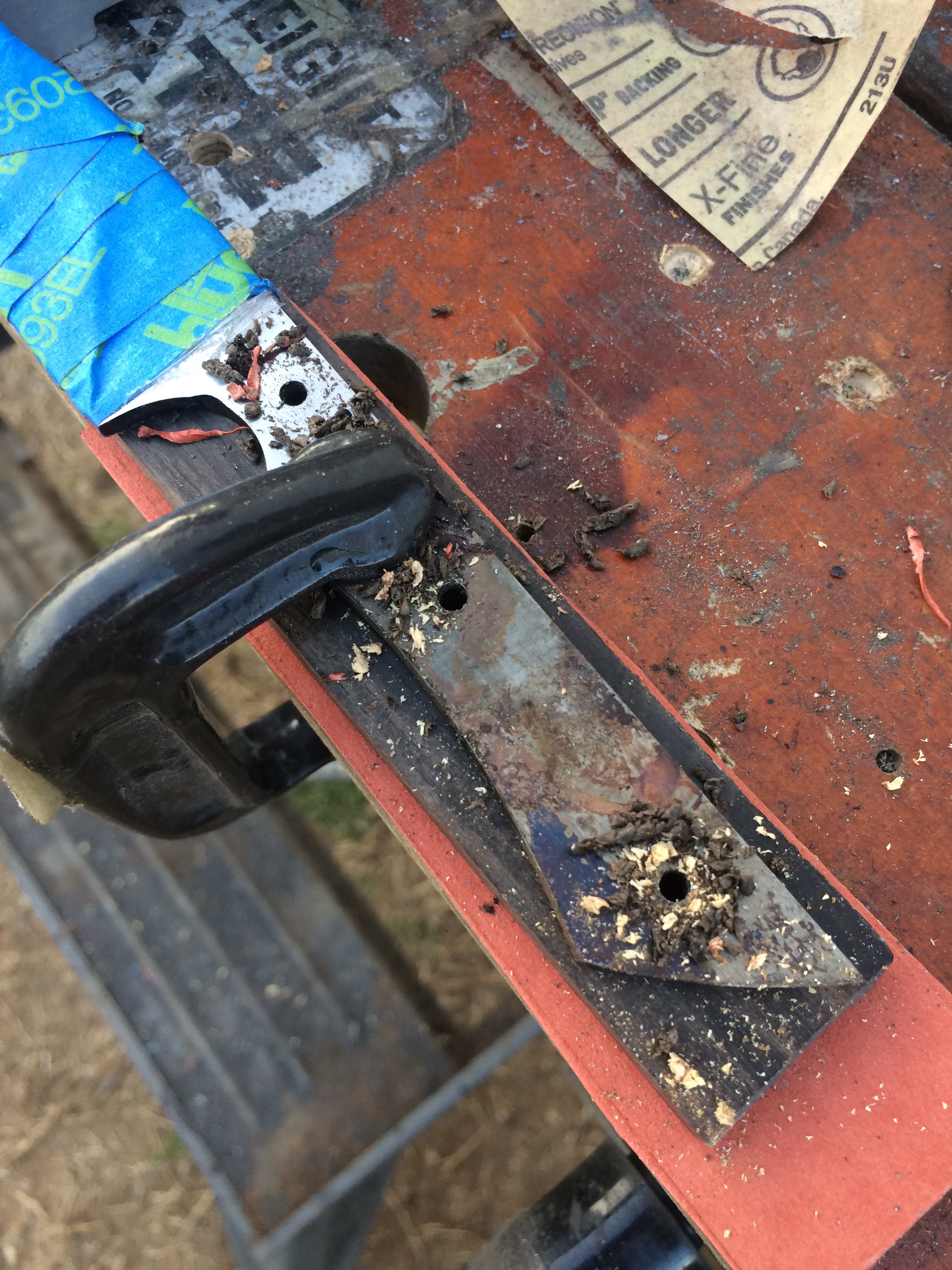
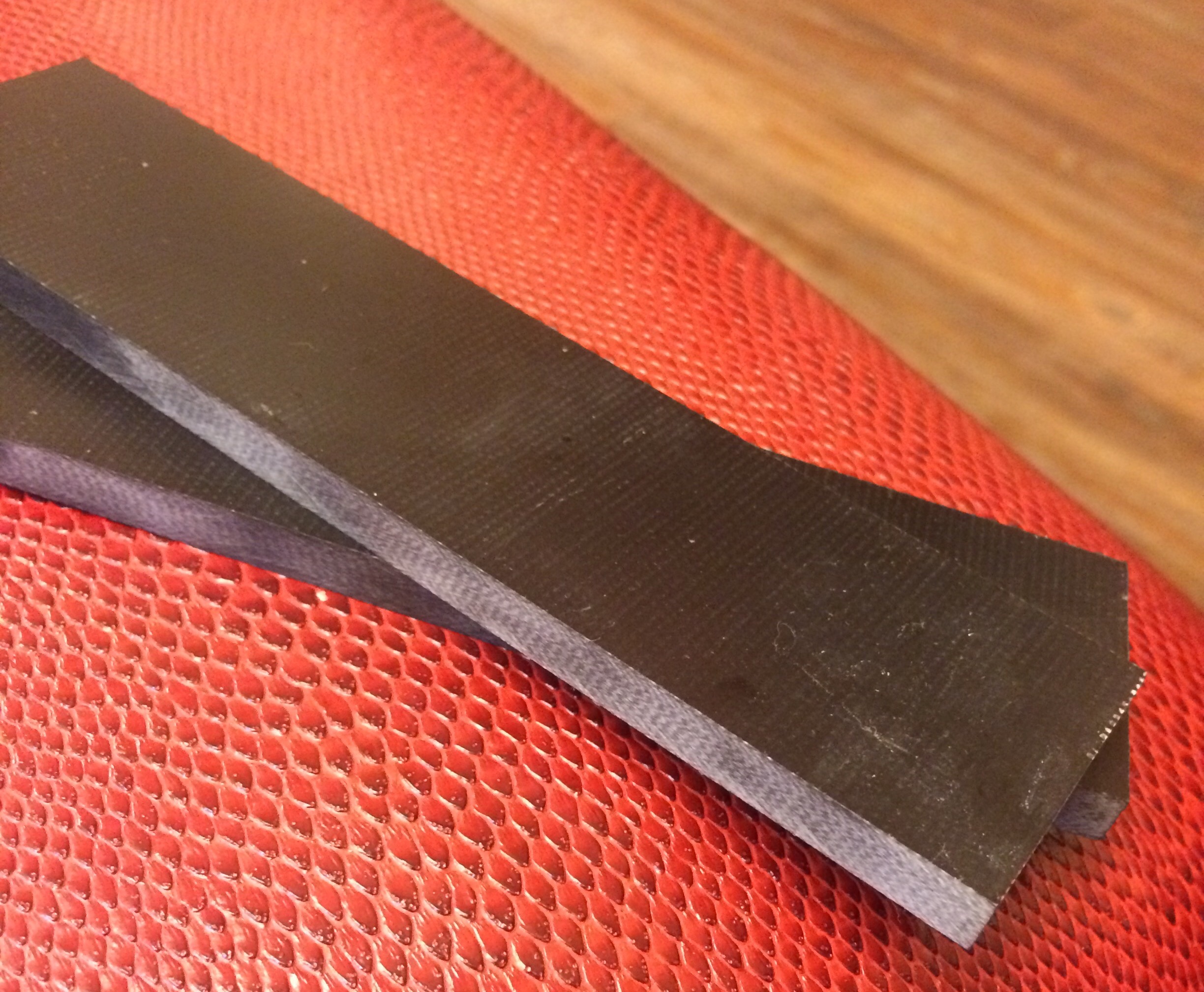
Ebony wood:
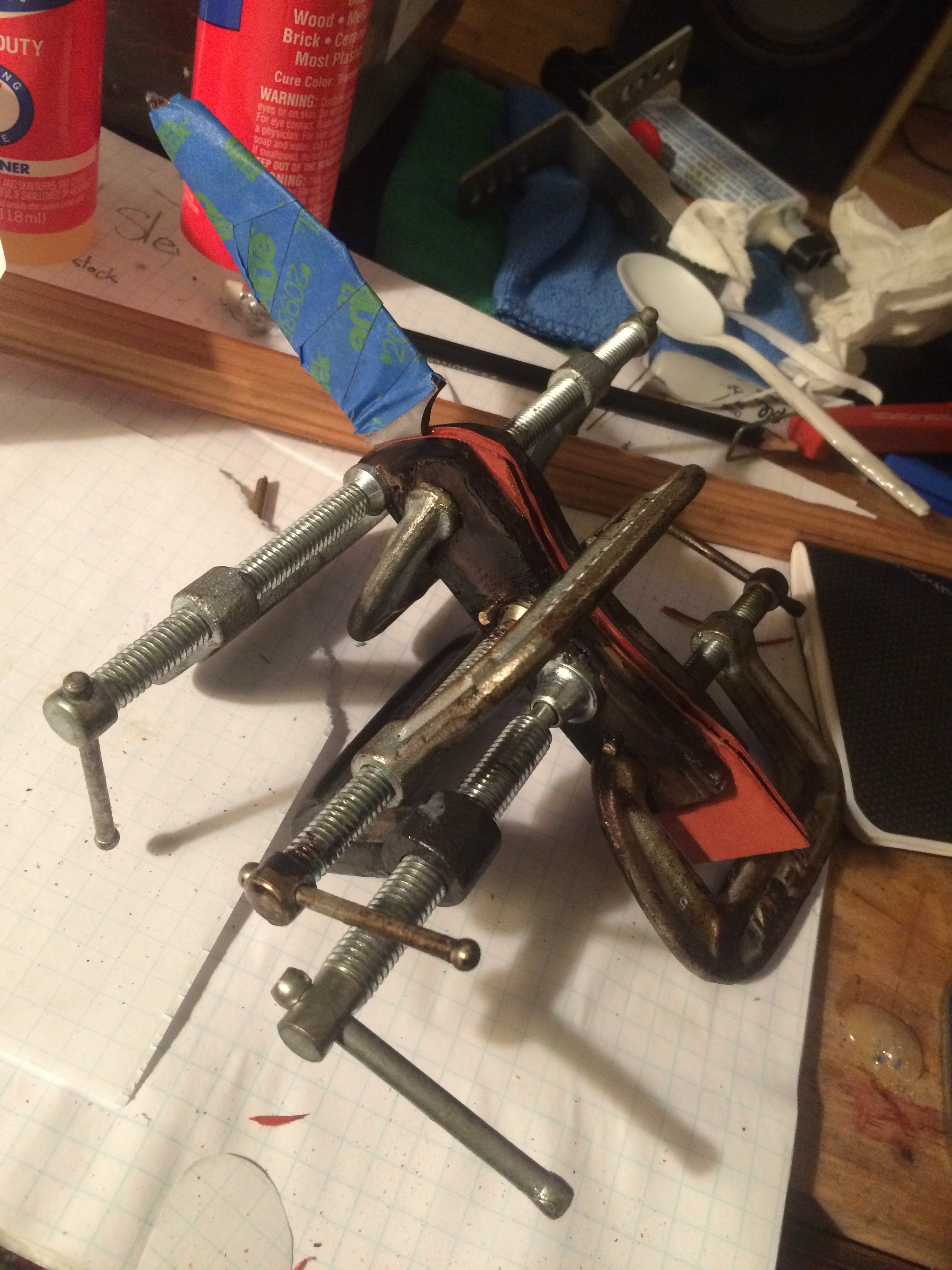
Clamped:
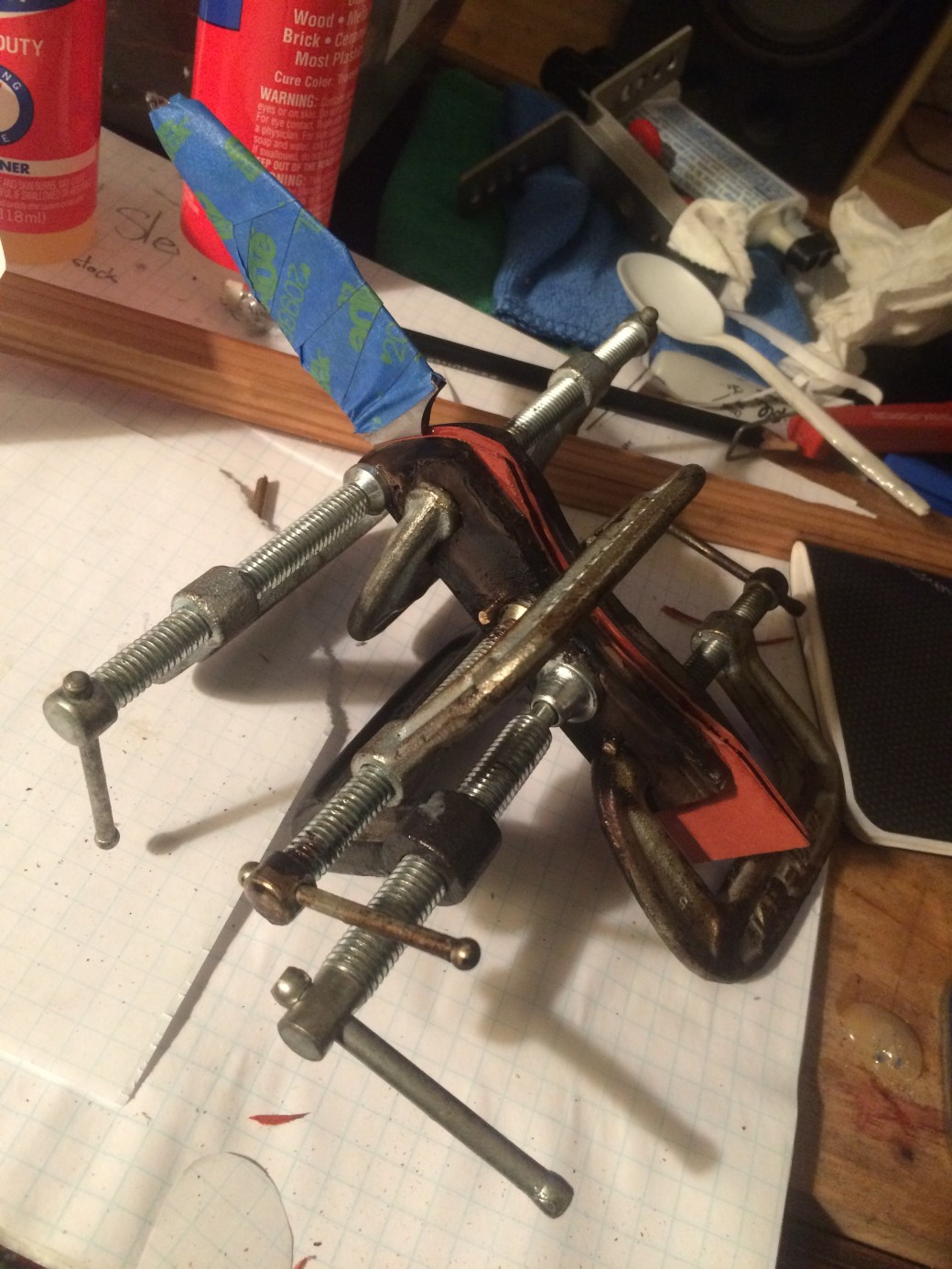
Shaped:

The Sir:

Don’t be afraid to look out for others every so often. This is part of the path toward mastering oneself.
Just a Bunch of Roadies– This is an organization of Music Industry Professionals that use their time and talents to make a difference. They facilitate larger operations, but also smaller projects, like the one written about in this story. Be sure to check out their website if you would like to help.




 groundedinfire